

Key Takeaways
•A federal judge in Wisconsin ruled that the Ho-Chunk Nation’s lawsuit against prediction market company Kalshi can continue.
•The case focuses on whether Kalshi’s sports event contracts break tribal gaming agreements in Wisconsin.
•The decision could affect how prediction markets operate in states with tribal gaming rights across the country.
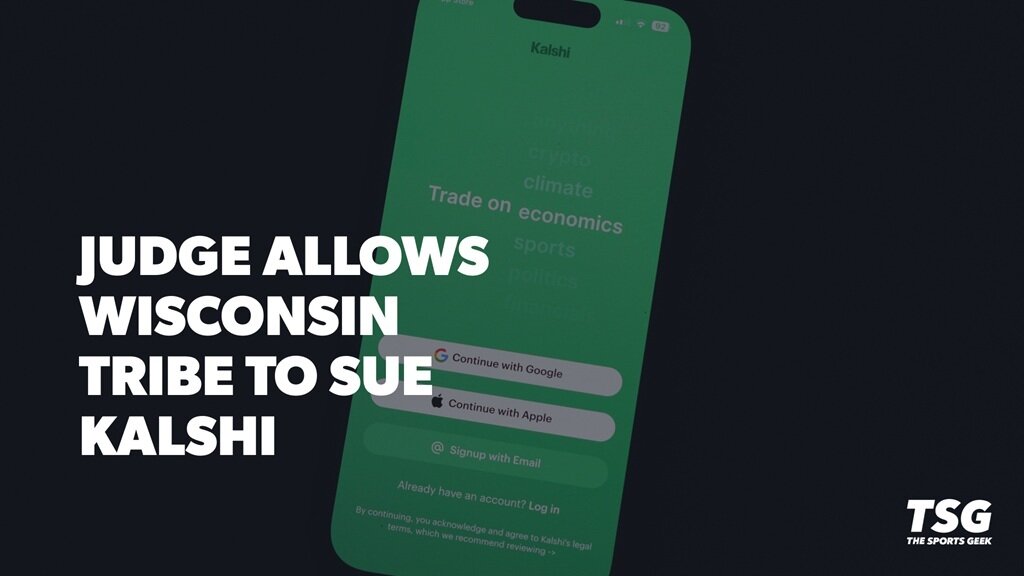
A Wisconsin judge allowed the Ho-Chunk Nation’s lawsuit against Kalshi to continue. The tribe argues Kalshi’s sports event contracts are a form of sports betting that violates tribal gaming rights.
The case could shape how prediction markets are regulated nationwide and impact bettors, tribal casinos, and prediction market companies across the country.
What the Lawsuit Claims About Event Contracts
The Ho-Chunk Nation argues that Kalshi’s event contracts are really sports bets using different wording. On Kalshi’s platform, users buy contracts based on predictions, such as whether a team will win or how many points a player will score. If the prediction is correct, the user earns money.
The tribe says these contracts look and act just like regular sports betting. Under agreements with Wisconsin, tribal nations have exclusive rights to offer certain gambling activities in the state. These agreements, called gaming compacts, are important sources of income for tribal communities.
The judge’s ruling does not mean the Ho-Chunk Nation has won the case. It only means the tribe provided enough evidence for the lawsuit to continue.
Kalshi argues that its platform is not sports betting. The company says prediction markets help people study trends and manage financial risk. However, opponents say the experience feels almost identical to placing a sports wager.
This difference is significant because prediction markets and sportsbooks follow different rules. If courts decide that event contracts are actually sports betting, companies like Kalshi may need gambling licenses in every state where they operate. They may also need to follow tribal gaming agreements.
Potential Impact on Wisconsin Bettors and Tribal Gaming
If the Ho-Chunk Nation wins the lawsuit, Wisconsin residents could lose access to Kalshi’s sports event contracts. This could push bettors toward traditional sportsbooks, including those run by tribal casinos.
Wisconsin tribes have spent years building gaming operations that support jobs and economic growth in their communities. Tribal leaders believe protecting their exclusive gaming rights is necessary for their long-term success.
The case also shows growing tension between technology companies and traditional gaming businesses. Prediction market platforms have grown quickly by arguing that they are different from gambling companies. They have attracted users in states where sports betting is restricted or unavailable.
For bettors, the final decision could change what types of betting options are available. Prediction markets often allow users to trade contracts during games instead of waiting until the end. If courts rule these contracts are sports bets, some of these features may disappear or become more heavily regulated.
What Happens Next in the Legal Process
Now that the lawsuit is moving forward, both sides will begin the discovery process. During discovery, each side gathers evidence and documents from the other. The Ho-Chunk Nation may request company records showing how Kalshi created and promoted its event contracts.
Kalshi will likely continue arguing that its platform serves purposes beyond gambling.
Either side could also ask the court for an injunction. However, the Ho-Chunk Nation attempted to file a preliminary injunction to get Kalshi to stop being active in Wisconsin. U.S. District Judge William Conley denied this motion.
Legal experts say the lawsuit could take months or even years to finish. Appeals are also likely no matter who wins.
Other tribes and states are watching the case closely. Similar lawsuits could appear in other states with tribal gaming agreements. If the Ho-Chunk Nation succeeds, more tribes may challenge prediction market companies in court.
The case could eventually help decide whether prediction markets are truly different from sports betting or simply another version of it under a new name.


You must be logged in to comment. Don't have an account? Sign up today.