

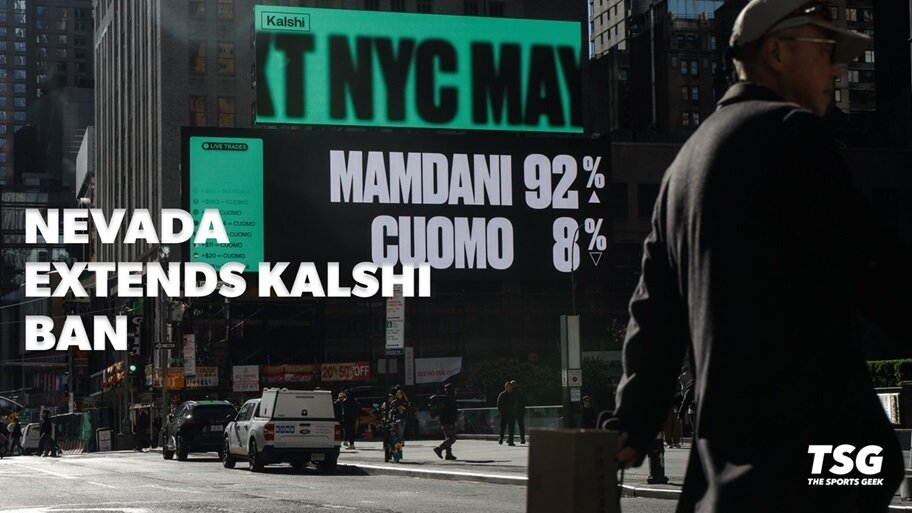
Key Takeaways
• Nevada is currently the only state with a court-ordered ban on Kalshi’s services.
• The federal government, through the Commodity Futures Trading Commission (CFTC), is fighting some states over who has the authority to regulate prediction markets.
• Arizona has gone even further by filing criminal charges against Kalshi.
A Nevada judge has ruled that prediction market company Kalshi cannot offer its services in the state without a proper gaming license. This decision is a major setback for Kalshi, which is already facing legal challenges across the United States.
Nevada’s Decision and Kalshi’s Argument
Judge Jason Woodbury ruled that Kalshi’s products are basically the same as sports betting. He said that buying a contract on a sports event through Kalshi is no different from placing a bet through a licensed sportsbook.
For example, he compared placing a $100 bet on a baseball game with buying a similar contract on Kalshi’s platform. In his view, both actions are essentially the same.
Because of this, the judge extended a temporary ban on Kalshi into a longer-term restriction. This means Kalshi cannot offer contracts on sports, elections, or entertainment events in Nevada unless it gets a state gaming license.
Kalshi argues that its products are not gambling. Instead, the company says its contracts are financial tools called “swaps,” which should be regulated by the federal government, not individual states.
The CFTC supports this idea and believes it should have control over companies like Kalshi. However, the Nevada judge disagreed. He said that even if the contracts are considered financial products under federal law, they still function like gambling under Nevada law.
In Nevada, any activity that involves betting on event outcomes must be regulated by the state. Since Kalshi does not have a gaming license there, it cannot legally operate.
A Growing Legal Battle
Kalshi’s problems are not limited to Nevada. The company is involved in several legal fights across the country.
In Massachusetts, a judge also blocked Kalshi from offering sports contracts, although that decision is currently being appealed. In Arizona, the situation is more serious. The state has filed criminal charges, claiming Kalshi is running an illegal gambling business.
At the same time, the CFTC has taken action against many states, including Arizona. The federal agency argues that states should not have the power to regulate prediction markets. This has created a larger conflict between state and federal authorities.
What Happens Next?
The next important date is April 17, when the Nevada judge is expected to finalize the long-term ban. This could become one of the strongest legal barriers Kalshi has faced so far.
Meanwhile, the federal lawsuits will play a big role in deciding the future of prediction markets. If federal courts side with the CFTC, companies like Kalshi may be able to operate nationwide without state licenses.
If not, states will continue to control and restrict these platforms. The outcome of these cases could shape the future of the entire industry.


You must be logged in to comment. Don't have an account? Sign up today.