

Key Takeaways
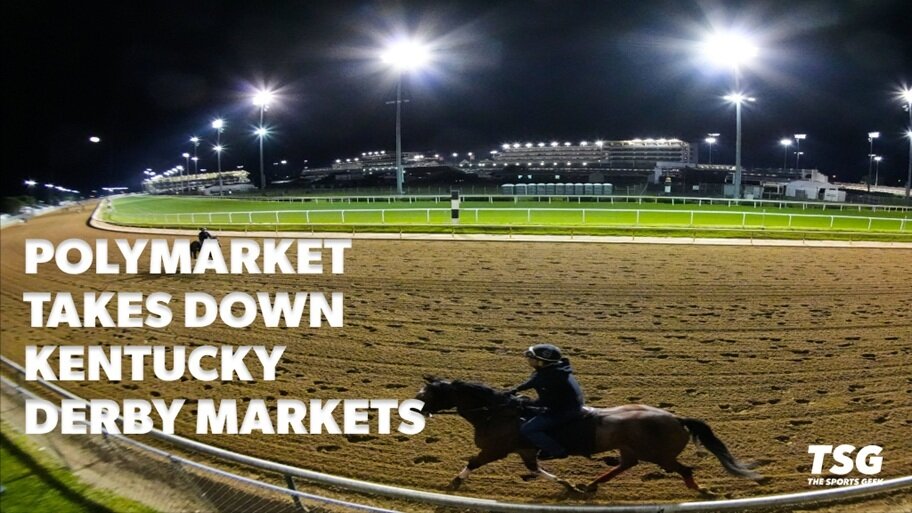
•Polymarket removed all Kentucky Derby betting contracts after a request from Churchill Downs, which hosts the race.
•The move shows growing conflict between racetracks and prediction markets over betting control.
•Bettors must now use traditional sportsbooks, regulated or offshore, which could shift millions in wagers.
Polymarket removed all Kentucky Derby betting contracts just days before Saturday’s race after Churchill Downs asked them to stop. The company agreed right away, taking away a popular alternative to regular sportsbooks.
This decision shows how control over betting on major events is being challenged. It also affects users who already had money in Derby-related markets.
Why Churchill Downs Targeted Prediction Markets
ESPN reported that Polymarket took their Derby winner market down, and Kalshi never had one altogether. Churchill Downs likely wants to control how people bet on its biggest race. The track may see prediction markets as competition to its own betting systems and partners.
Racetracks usually make money through parimutuel betting. In this system, all bets go into one pool, and winners share the total. Tracks also work with licensed sportsbooks that pay fees to offer betting on races like the Derby.
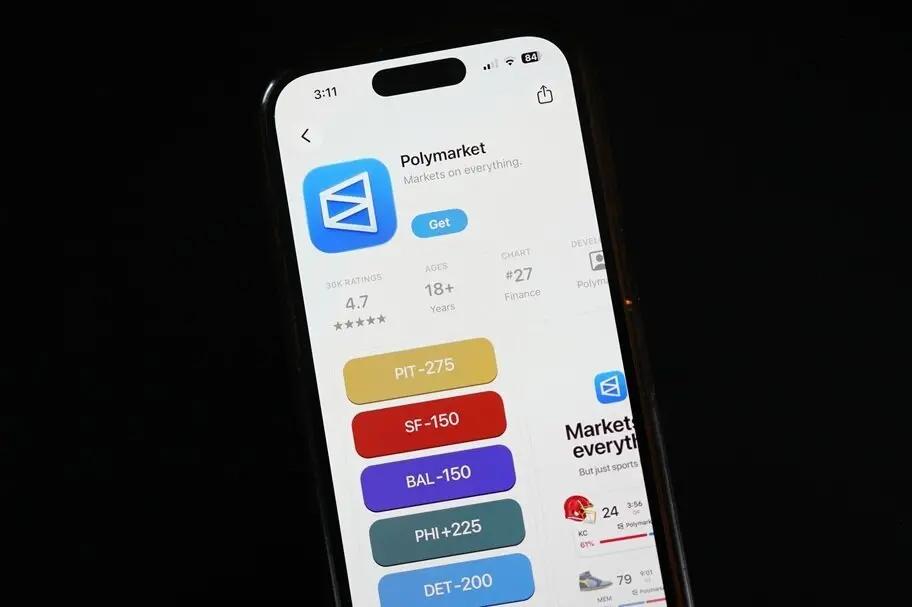
Prediction markets like Polymarket work differently. Instead of placing bets, users trade contracts based on outcomes. These platforms say they are information markets, not gambling sites. But when real money is involved, the difference is not always clear.
Churchill Downs may also be protecting its brand. It owns trademarks for the Kentucky Derby name and controls race data and media rights. This gives it strong legal tools to challenge unauthorized betting products.
There are also state laws to consider. Kentucky has strict rules about who can offer horse race betting. While Polymarket operates under federal rules through the Commodity Futures Trading Commission (CFTC), that does not always override state laws. The CTFC is currently battling different states for jurisdiction over prediction markets.
Churchill Downs may have threatened legal action, possibly over trademark use or state gambling rules. Instead of fighting, Polymarket chose to remove the markets.
Impact on Bettors and Market Competition
With Polymarket gone, betting activity will likely move back to traditional platforms. These include sportsbooks like FanDuel, DraftKings, and BetMGM, as well as horse racing platforms like TVG and TwinSpires. TwinSpires is owned by Churchill Downs, meaning the track benefits directly when bettors use it.
For bettors, this change means fewer choices. Prediction markets sometimes offer better odds or different pricing than sportsbooks. They also allow users to trade their positions before an event ends, which adds flexibility. That option is no longer available for the Derby.
What This Means for the Future of Event Betting
The situation with Polymarket shows a larger conflict in the betting industry. Traditional gambling companies are after predictions markets, as they operate under different rules but offer essentially the same product. Prediction markets argue that federal oversight allows them to avoid some of these requirements.
This issue is still not fully settled in the courts. As prediction markets grow, more conflicts are likely. These platforms have become popular by offering markets on politics, economic trends, and sports.
At the same time, established gambling companies are pushing back. Racetracks have strong legal advantages. They control their events, own valuable rights, and have long relationships with regulators.
For now, bettors interested in the Kentucky Derby will need to use sportsbooks and racebooks, as well as offshore sites.



You must be logged in to comment. Don't have an account? Sign up today.