

Key Points
- Two U.S. senators introduced a bipartisan bill to stop prediction platforms from offering sports and casino-style bets.
- The bill mainly targets platforms like Kalshi and Polymarket.
- It adds to an ongoing conflict between federal regulators and state gaming authorities.
A new bipartisan Senate bill could reshape the future of prediction markets in the U.S., targeting platforms that offer sports and casino-style contracts.
Lawmakers aim to close regulatory gaps, sparking a broader debate over gambling laws, market innovation, and federal versus state authority.
What Is the Bill About?
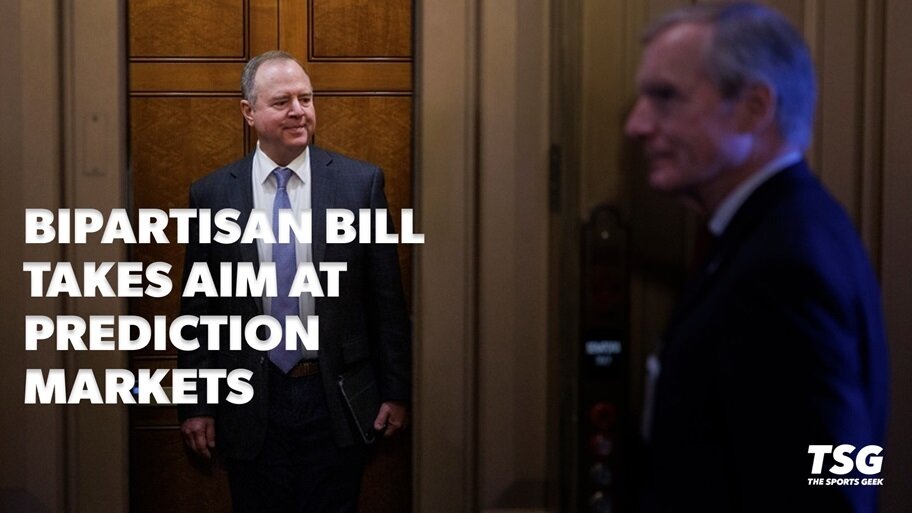
A new Senate bill could change how prediction markets work in the U.S. The bill, called the Prediction Markets Are Gambling Act, was introduced by Senators Adam Schiff (D-California) and John Curtis (R-Utah). It would stop federally regulated platforms from offering contracts based on sports events or casino games.
Prediction platforms like Kalshi and Polymarket have been growing quickly. They offer ways to “bet” on outcomes, but they operate under federal financial rules instead of state gambling laws. This bill would force them to follow state rules or stop offering these types of contracts.
Why Is This Happening and What Does It Mean?
The main issue is a legal loophole. Prediction platforms say their contracts are financial tools, not gambling. This lets them avoid state licenses, taxes, and consumer protection rules that sportsbooks must follow.
Lawmakers and state regulators disagree. They argue that betting on sports is still gambling, no matter how it is labeled. They say these platforms are avoiding rules that were created to protect users and fund state programs.
Some states have already taken action. For example, Nevada blocked Kalshi from offering sports contracts, and Arizona has taken similar steps.
If the bill passes, prediction platforms will face big changes. They would have to:
• Stop offering sports and casino contracts, or
• Get licenses in each state, which is expensive and time-consuming, or
• Move their operations outside the U.S.
For users, this could mean fewer options for betting. Many people use these platforms because they offer different types of bets or lower fees than traditional sportsbooks.
What is the Impact on the Industry?
Traditional sportsbooks support the bill. They argue it creates fair competition because prediction platforms currently avoid taxes and regulations.
The timing is important. Prediction markets became very popular during the 2024 election, and sports betting is their next big area of growth. This bill aims to regulate them before they expand further.
This issue also raises a bigger question: who should control gambling laws—the federal government or the states?
• Federal regulators say these platforms are financial tools that help predict outcomes.
• State regulators say sports betting is clearly gambling and should be controlled by states.
The bill supports the states by limiting what federally regulated platforms can offer.
If the bill becomes law, prediction markets will have to change how they operate. Users may have fewer choices, and the industry could shift back toward traditional sportsbooks or offshore sites. Whether this is good or bad depends on how people balance innovation with regulation.






You must be logged in to comment. Don't have an account? Sign up today.