

Key Takeaways
• Minnesota lawmakers have introduced a new bill that would let tribal operators offer mobile sports betting across the state.
• The tribal-only plan is another attempt after similar efforts failed in 2024 and 2025.
• If the bill passes, there would be less competition compared to states that allow many companies to apply for licenses.
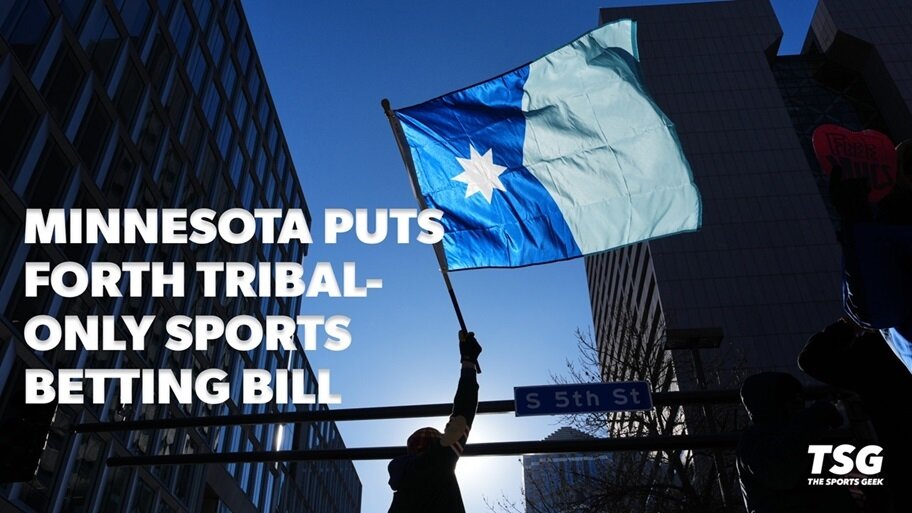
Minnesota lawmakers are again pushing to legalize mobile sports betting with a new bill giving tribal casinos exclusive control. The plan blocks major companies and follows past failed efforts.
If approved, residents could bet statewide, but options may be limited since only tribal operators would run the apps.
Tribal Framework Emerges as Most Viable Path
Minnesota has had a hard time agreeing on sports betting laws for several years. According to CBS Sports, a tribal-only system now seems like the most likely way forward after past proposals failed in the legislature.
The state’s 11 federally recognized tribes already run casinos across Minnesota. These tribes have strong political influence and have often opposed plans that would let outside companies compete with them. By limiting licenses to tribal operators, the new bill directly addresses those concerns.
Some important details of the bill are still unknown. Lawmakers have not said whether each tribe would get one mobile license or if they could run multiple apps, also known as “skins.” This decision is significant because it affects how much competition there will be.
For example, states like New Jersey allow multiple apps per license, which gives users more choices. If Minnesota allows only one app per tribe, bettors would have fewer options.
The bill’s tax rates and rules for responsible gambling are also unclear. In most states, sports betting taxes range from 10% to 51% of the operator’s revenue. Lower taxes usually help operators and can lead to better odds for bettors. Higher taxes bring in more money for the state but can make betting less competitive.
Market Impact and Regional Implications
Minnesota has about 5.7 million people, making it a strong market for sports betting. It is located in a region where many nearby states, like Iowa, Wisconsin, and South Dakota, already offer some form of legal sports betting, though each state has its own rules.
A tribal-only system would create a different kind of market. In states with open competition, major companies compete by offering promotions and bonuses to attract customers. In Minnesota, bettors might see fewer of these deals if only tribal operators are involved. On the other hand, less competition could lead to more stable and long-term business for the tribes.
There are similar examples. Connecticut launched sports betting in 2021 with only two tribal operators. That state has seen less betting activity per person compared to states with more competition, but it has still created steady income for both the tribes and the state.
For Minnesota tribes, mobile sports betting could bring in a lot of money. Tribal casinos have offered in-person sports betting since 2024, but most betting today happens on mobile devices. In many states, mobile betting makes up 80% to 90% of all wagers.
The bill was introduced early in the 2026 legislative session, giving lawmakers time to discuss and change it if needed. Minnesota’s legislature meets every year, and sports betting proposals have often faced opposition. Charitable gambling groups, which run games like pull-tabs, have raised concerns in the past about losing business if sports betting expands.




You must be logged in to comment. Don't have an account? Sign up today.