

Key Takeaways
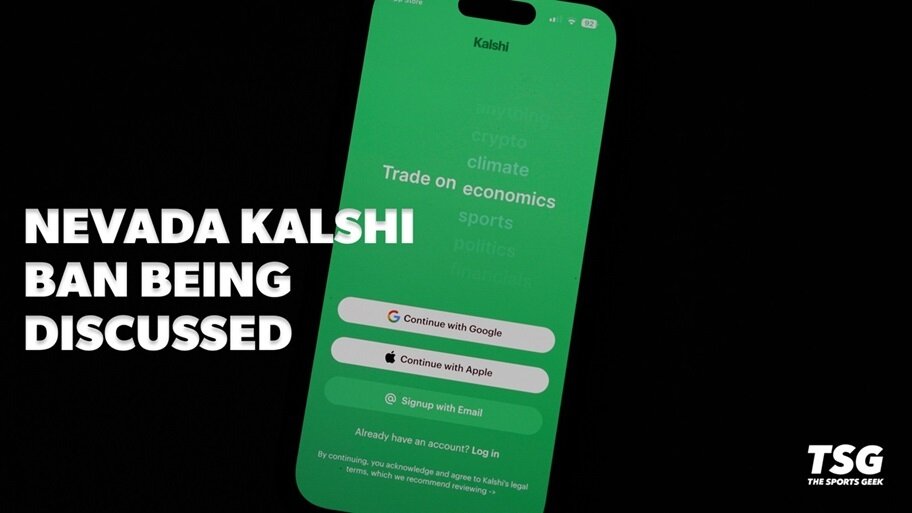
• Nevada regulators have temporarily banned Kalshi from offering prediction market products in the state.
• Robinhood is pulling its sports prediction markets from Nevada in response to regulatory pressure.
• The broader fate of prediction markets across Nevada and other states appears headed for the courts, potentially all the way to the Supreme Court.
Nevada is taking strong action against online prediction markets, banning one company and pushing another to leave the state. These moves show that regulators in the country’s gambling capital are not ready to allow these platforms to operate freely.
Prediction markets let people bet on the outcome of real-world events, like sports games. Some companies say these are financial tools, not gambling. Nevada officials disagree, but no concrete conclusion has been reached yet, and it could go all the way to the Supreme Court.
Kalshi Still Facing Nevada Ban, Robinhood Backs Off
Nevada regulators have temporarily banned Kalshi, one of the most well-known prediction market platforms in the United States. Kalshi allows users to trade contracts based on event outcomes, such as whether a team will win a game.
Kalshi says it is not a gambling company. Instead, it claims to be a financial exchange regulated by the federal government through the Commodity Futures Trading Commission (CFTC). From its perspective, its products are like investments, not bets.
Nevada officials see it differently. They argue that if people are putting money on the outcome of events, especially sports, then it is gambling. And in Nevada, gambling is tightly controlled by state law. Regulators say any company offering these kinds of products must have a state gaming license.
By extending the ban on Kalshi back on April 7, Nevada is stressing that it believes state law comes first in this situation. This sets up a likely legal fight between the company and the state.
Robinhood, a popular investing app, also offered sports prediction products. But instead of fighting Nevada, the company decided to stop offering these products to users in the state.
This decision shows how serious Nevada regulators are. While Kalshi may challenge the ban, Robinhood appears to be avoiding conflict for now. The company may believe that fighting the state would be too risky or expensive, especially since it already deals with many regulations in other areas of its business.
Robinhood’s choice highlights the pressure companies face when entering the prediction market space, especially in states with strict gambling laws.
A Bigger Legal Battle Coming, Supreme Court Will Likely Decide
At the center of this issue is a major question: who gets to regulate prediction markets?
Companies like Kalshi argue that they fall under federal rules because they operate as financial exchanges. If that is true, then state gambling laws should not apply to them.
States like Nevada strongly disagree. They argue that if a product works like a bet, where users risk money on an outcome and win or lose based on the result, then it is gambling. And gambling has always been regulated by states, not the federal government.
This disagreement is not limited to Nevada. As prediction markets grow across the country, other states are paying close attention. Some may follow Nevada’s lead and take action against these platforms.
If that happens, companies could face different rules in different states. This patchwork of laws could make it harder for prediction markets to operate nationwide.
Experts believe the courts will ultimately decide how prediction markets are regulated. Legal challenges are expected, especially from companies like Kalshi.
Judges will need to answer several difficult questions. Are prediction market contracts truly financial products, or are they just another form of gambling? Does federal law override state law in this case? And who has the final authority?
These questions are complicated and could take years to resolve. It could go all the way to the Supreme Court.
What Happens Next?
Nevada’s actions are likely just the beginning. Kalshi is expected to challenge the ban, which could lead to an important Supreme Court case. The outcome could affect not just Nevada, but the entire country.
This issue also is relevant for traditional gambling companies. Many sportsbooks have spent years following state rules and getting proper licenses. If prediction markets are allowed to operate outside those rules, it could change the competition in the industry.
For now, the future of prediction markets in the U.S. remains uncertain. What happens next will depend on how courts handle this growing conflict between state and federal authority.




You must be logged in to comment. Don't have an account? Sign up today.