


Key Takeaways
•Rhode Island filed a lawsuit against Polymarket and Kalshi.
•The state says both platforms violate Rhode Island gambling laws.
•Officials claim the companies are avoiding the state’s gambling regulations.
Rhode Island Attorney General Peter Neronha has filed a lawsuit against Polymarket and Kalshi, two of the world’s biggest online prediction market platforms. The lawsuit claims the companies are running unregulated sports betting operations in Rhode Island.
The 32-page complaint was filed on May 21 in Providence County Superior Court. It argues that the companies’ “event contracts” are really sports bets disguised as financial products.
The Allegations: Sports Betting Disguised as Event Contracts
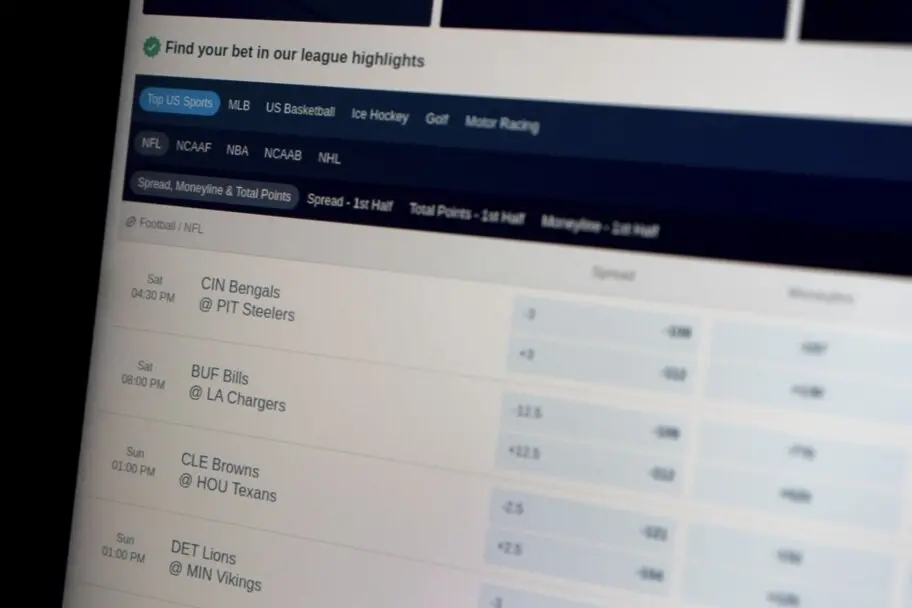
At the center of the lawsuit is the argument that Polymarket and Kalshi allow users to bet on sports outcomes just like traditional sportsbooks do.
Users place real money on the results of real-world events and win money if their predictions are correct. According to Neronha’s office, that activity fits Rhode Island’s regulated definition of sports gambling and casino gaming.
The state says sportsbooks in Rhode Island must follow strict rules. These include background checks, consumer protections, taxes, and responsible gambling programs. Traditional betting companies also have to operate under state supervision.
Prediction market companies, however, work under a different federal system and have mostly avoided those state rules. Rhode Island argues that simply calling the bets “event contracts” should not allow the companies to avoid gambling laws.
Rhode Island’s Gambling Rules, and a Bigger National Debate
Rhode Island has one of the stricter gambling systems in the Northeast. Sports betting and casino gaming are heavily regulated by the state.
State officials say these rules exist to protect consumers. Licensed operators must provide problem gambling support, follow safety rules, and help generate tax revenue for the state.
Neronha’s office argues that companies operating outside this system leave residents without important protections.
The lawsuit claims Polymarket and Kalshi are using a gray area to avoid being regulated like other gambling companies.
The lawsuit is part of a larger national debate over prediction markets.
Federal regulators, including the Commodity Futures Trading Commission (CFTC), have spent years debating whether these platforms should be considered financial exchanges or gambling operations.
Kalshi has already won some legal victories at the federal level that allowed it to expand its event contracts. Prediction markets are fighting battles on many different fronts currently. They’re being investigated by Congress over alleged insider trading.
Rhode Island’s lawsuit shows that states may not wait for federal officials to make a final decision. Instead, the state argues it has the right to regulate platforms being used by Rhode Island residents.
Legal experts believe other states with regulated sports betting markets could follow Rhode Island’s example if the lawsuit succeeds.
What Happens Next?
The case will now move through Providence County Superior Court.
Polymarket and Kalshi are expected to fight the lawsuit aggressively, which could lead to a long legal battle. In fact, Kalshi has already filed their own lawsuit to counter Rhode Island.
The outcome may affect more than just Rhode Island. The case could help decide how prediction markets are treated across the United States.





You must be logged in to comment. Don't have an account? Sign up today.