


Key Takeaways
•A Nevada congresswoman criticized the Commodity Futures Trading Commission (CFTC) for trying to regulate prediction markets that look like sports betting.
•The disagreement shows growing tension between federal regulators and states over who controls betting activities.
•Nevada leaders want to protect the state’s long history of regulating gambling without federal interference.
A Nevada congresswoman criticized the CFTC for regulating prediction markets tied to sports and other events. He argued the agency should focus on commodities instead of betting-style contracts.
The debate could reshape how Americans place wagers, with Nevada leaders supporting state control while federal regulators claim authority over prediction markets.
Nevada’s Defense of State Gaming Authority
Nevada’s Dina Titus, the co-chair of the Congressional Gaming Caucus, said Tuesday that the CFTC should “stick to regulating sow bellies instead of sports betting”, and she wants the federal government to crack down on the organization. She made the remarks at the International Conference on Gambling and Risk Taking.
Nevada has regulated gambling for decades. The state regulated casino gambling in 1931 and built a major industry around gaming and tourism. Because of this history, Nevada officials strongly support state control over betting.
The CFTC normally regulates futures contracts tied to commodities and financial products. These contracts involve agreements connected to future prices or events. In recent years, the agency has argued that some prediction markets should also be treated as financial products.
Nevada lawmakers disagree with that view. The congresswoman said the CFTC is moving beyond its original purpose by trying to oversee betting-style contracts. He believes states already have strong systems in place to regulate gambling.
Nevada’s casinos and sportsbooks have operated under state rules for many years. Industry leaders worry that adding federal oversight could create confusion and conflict with existing state laws. Supporters of state control argue that local regulators understand the gaming industry better than federal agencies.
Growing Federal-State Friction Over Prediction Markets
The conflict between Nevada and the CFTC reflects a larger national debate. The main question is whether prediction markets should be treated as gambling or as financial trading.
If they are considered gambling, states would regulate them through gaming commissions. If they are treated as financial products, federal agencies like the CFTC would have authority.
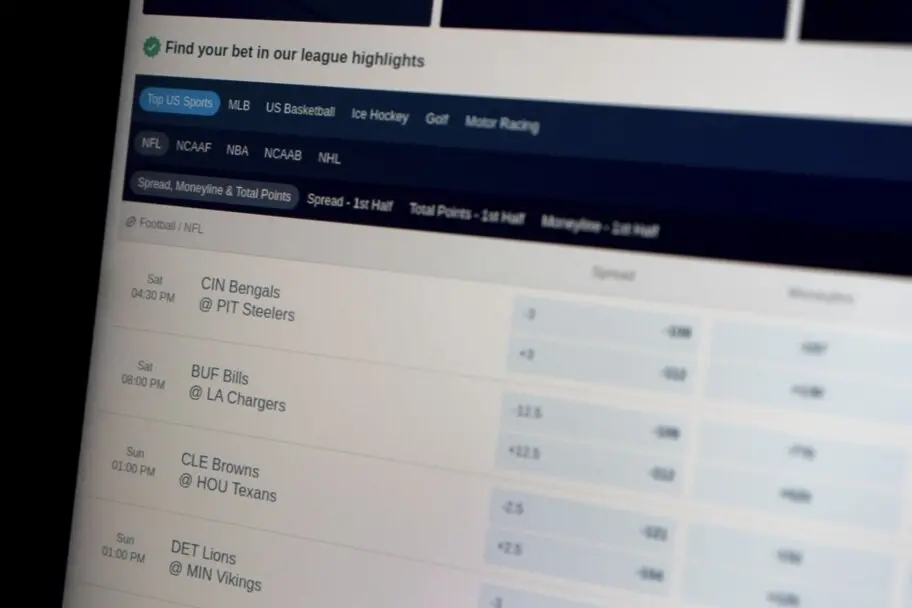
Prediction markets have become much more popular in recent years. Some platforms offer contracts tied to sports scores, championships, and player performance. These products often look almost identical to traditional sports bets.
The CFTC has already taken action against certain prediction market companies, arguing they operated without proper approval. In response, some companies claim they are offering prediction contracts rather than unregulated gambling.
This disagreement has created uncertainty for both businesses and users. Some lawmakers believe Congress may eventually step in to clarify the rules and decide which agencies should control these markets.




You must be logged in to comment. Don't have an account? Sign up today.