

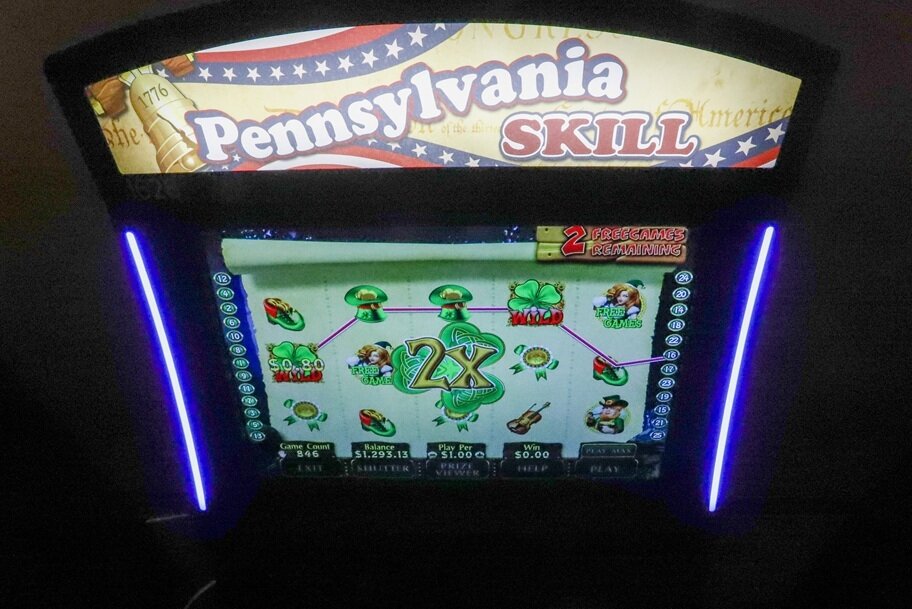
Key Takeaways
- Pennsylvania lawmakers left for summer break without passing rules for skill games, leaving an October 13 deadline set by the state Supreme Court.
- State Police are preparing to seize more than 70,000 machines if lawmakers fail to act.
- Regulating the industry could generate up to $1 billion a year in tax revenue for the state.
Pennsylvania lawmakers have left Harrisburg for the summer without deciding the future of skill game machines. That leaves thousands of bars, veterans’ organizations, convenience stores, and other small businesses facing uncertainty.
The Pennsylvania Supreme Court has set an October 13 deadline. If lawmakers do not pass a law before then, skill games will become forbidden. State Police are already preparing for enforcement, while supporters warn that businesses could lose an important source of income.
A Deadline With Major Consequences
The Pennsylvania Supreme Court ruled that skill games qualify as slot machines under state law. Because of that decision, lawmakers have until October 13 to pass legislation that would regulate the machines.
Governor Josh Shapiro said the budget agreement did not include skill game regulation. He also confirmed that the Pennsylvania State Police will enforce the court’s ruling if the deadline passes without a new law.
Acting Commissioner Lt. Col. George Bivens said the agency is preparing enforcement plans, but noted lawmakers still have time to act before October.
Small Businesses Could Feel the Impact, and Time Is Running Out
Lisa Iskric, manager of the American Legion post in Steelton, said the machines help pay bills, cover repairs, and support employee wages. Without that revenue, she believes the post could struggle to survive and reduce its charitable work.
Similar concerns exist across the state. Bars, convenience stores, and veterans’ halls have relied on the machines for years. Unlike casinos, many of these businesses do not have the financial resources to handle a sudden loss of income.
Senate Majority Leader Joe Pittman said lawmakers can still pass legislation, but time is quickly running out. The General Assembly has only a few scheduled session days before the October deadline, making it difficult to approve a complete regulatory plan.
State Rep. Jason Dawkins remains hopeful lawmakers can reach an agreement. However, he also pointed out that removing more than 70,000 machines across Pennsylvania would be a huge challenge. He called a statewide confiscation effort “virtually impossible.”
That raises questions about how quickly officials could enforce the court’s ruling if no law is passed.
A $1 Billion Opportunity
Supporters of regulation argue the state is missing out on a major source of tax revenue.
Experts estimate Pennsylvania could collect up to $1 billion each year by regulating and taxing skill games.
State Rep. Jamie Barton said many companies in the industry have already expressed support for regulation.
Pace-O-Matic, one of the state’s largest skill game manufacturers, said it will shut down its machines if lawmakers fail to act before the deadline. However, the company said it cannot speak for thousands of other machines operated by different businesses, leaving questions about how many would actually be removed.
What’s Next
Attorney General Dave Sunday has encouraged machine owners to voluntarily turn off their games if no regulation passes before October 13. He hopes that would reduce the need for large-scale seizures by law enforcement.
Lawmakers will return this fall with limited time to reach a deal. Business owners, manufacturers, and state officials are all watching closely.
If no regulation is passed, Pennsylvania could lose a significant tax opportunity while State Police begin one of the largest gaming enforcement efforts in the state’s history.






You must be logged in to comment. Don't have an account? Sign up today.