

Key Takeaways
- The FAIR BET Act cleared committee after 14 months of work by Rep. Dina Titus.
- Last year’s “One Big Beautiful Bill” cut the gambling loss deduction from 100% to 90%, which could leave gamblers paying taxes even when they break even.
- MGM Resorts, Caesars Entertainment, Wynn Resorts, and the American Gaming Association are among the bill’s supporters
A bill that would reverse a controversial gambling tax change has cleared an important hurdle.
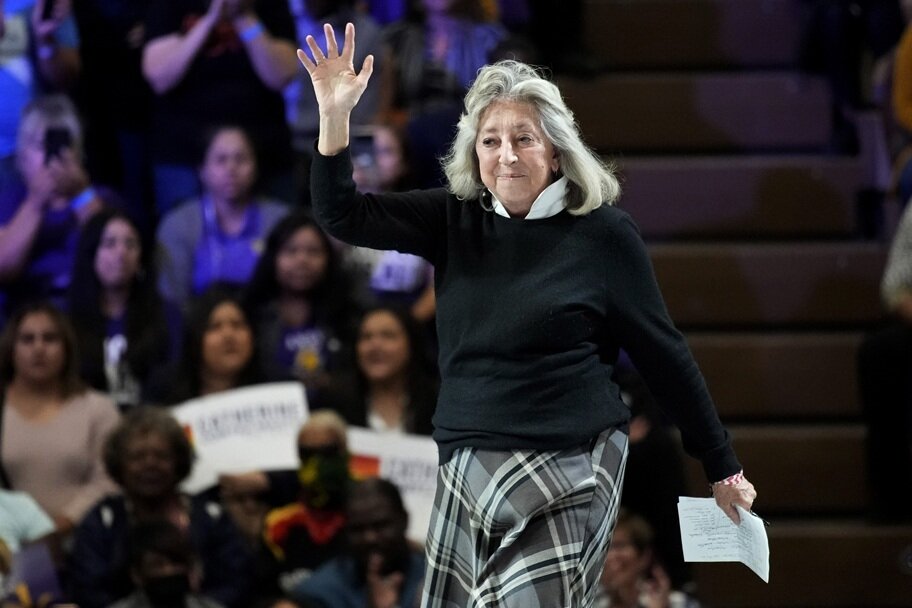
Nevada Rep. Dina Titus announced Wednesday that her FAIR BET Act passed out of committee. The measure is now one step closer to a full House vote.
The bill would reverse a provision included in last year’s reconciliation package that reduced the federal gambling loss deduction from 100% to 90%.
What Changed, and Why It Matters
The One Big Beautiful Bill changed how gamblers can deduct losses on their federal tax returns.
Under the new rules, bettors can only deduct 90% of their gambling losses against their winnings. That remaining 10% can create a tax bill even when a gambler does not make a profit.
Titus gave a simple example. A gambler who wins $100,000 and loses $100,000 finishes with no profit. However, under the 90% deduction rule, that person could still owe taxes on $10,000.
Under the previous 100% deduction, the gambler would not owe taxes on those winnings because the losses matched them. Critics of the change argue that it effectively taxes money gamblers never actually kept.
Titus and Nevada Delegation Push Back
Titus has pushed to reverse the deduction cap since it was introduced. Wednesday’s committee vote marked a major step after more than a year of work.
She is now calling on congressional leaders to bring the FAIR BET Act to the House floor before January 1, 2027.
Nevada Rep. Steven Horsford has also raised concerns about the change. He argues that it could hurt workers across Nevada’s gaming and hospitality industries, including casino dealers, restaurant employees, housekeepers, and small business owners.
Gaming and tourism are major parts of Nevada’s economy. Horsford and other supporters of the bill are concerned that the tax change could discourage gambling and hurt businesses that depend on visitors.
Industry Lines Up Behind the Reversal
The FAIR BET Act has also received support from major companies and organizations in the casino industry.
Titus said MGM Resorts, Caesars Entertainment, and Wynn Resorts support the measure. The Nevada Resort Association and American Gaming Association have also backed the effort.
Casino operators and industry groups argue that the 90% deduction could encourage some gamblers to move away from regulated sportsbooks and casinos.
They say professional gamblers and recreational bettors could instead turn to offshore or unregulated platforms to avoid the added tax burden. That could hurt the regulated gambling market that has expanded across the U.S. over the past decade.
Sports Bettors and Casual Players Also in the Crosshairs
The tax change would not only affect high-stakes casino gamblers.
Titus and other lawmakers supporting the FAIR BET Act have said recreational sports bettors could also be impacted.
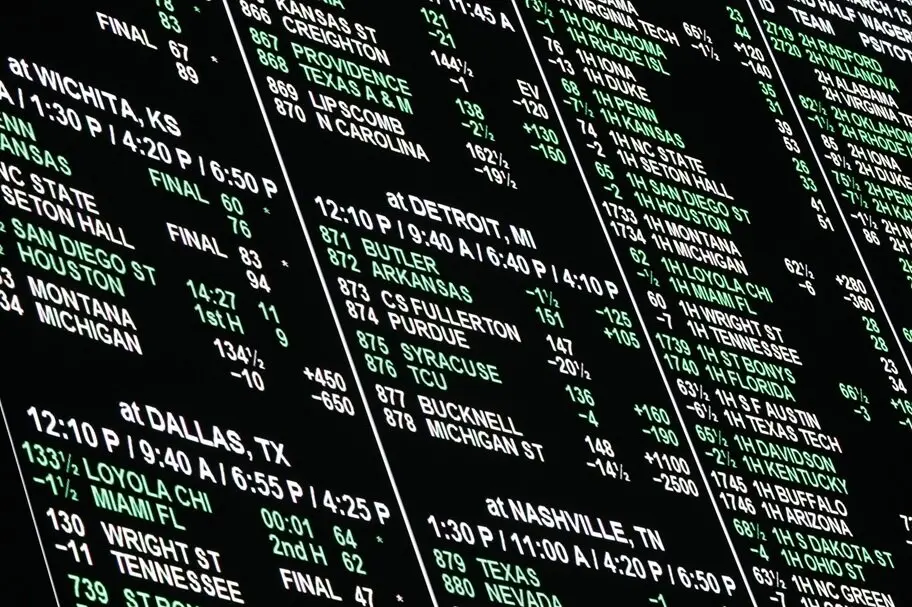
Regulated sports betting is now available across much of the U.S., and many Americans report gambling winnings and losses on their tax returns.
Supporters of the FAIR BET Act argue that taxing bettors even when they break even could discourage people from using regulated sportsbooks. They also warn that some bettors could move to unregulated platforms instead.
What’s Next
The FAIR BET Act now moves toward consideration by the full House. Titus is calling on House leaders to schedule a vote before January 1, 2027.
Supporters of the measure include lawmakers and major gaming industry groups. The next major hurdle will be getting the legislation through Congress before the new gambling loss deduction rules take effect.




You must be logged in to comment. Don't have an account? Sign up today.