

Key Takeaways
- The 6th Circuit ruled that sports event contracts are not swaps under federal law, rejecting a key part of Kalshi’s legal argument.
- The decision adds to a split among federal appeals courts over how prediction markets should be regulated.
- The U.S. Supreme Court is already considering whether to review a conflicting ruling in Kalshi v. Flaherty.
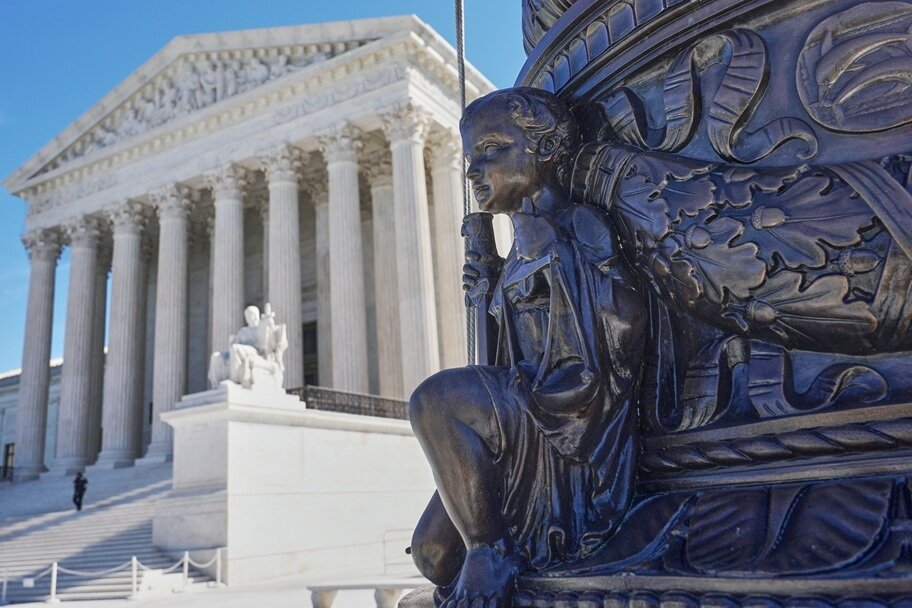
A federal appeals court handed Kalshi a major setback on Friday. The court ruled that sports event contracts do not qualify as federally regulated swaps and that states such as Tennessee and Ohio can enforce their gambling laws against prediction market operators.
The decision adds to a growing disagreement among federal courts and could increase the chances that the U.S. Supreme Court eventually takes up the issue.
What the 6th Circuit Actually Decided, and The Super Bowl MVP Test
A three-judge panel, led by Judge Julia Smith Gibbons and joined by Judges Eric L. Clay and Rachel S. Bloomekatz, ruled against Kalshi in its dispute with regulators in Tennessee and Ohio.
At the center of the case was a key question: Do sports prediction contracts qualify as “swaps” under the Commodity Exchange Act (CEA)?
If they do, they could fall under the authority of the Commodity Futures Trading Commission (CFTC). Kalshi has argued that this federal oversight protects its contracts from state gambling laws.
The 6th Circuit disagreed.The court said an event must be “inherently associated” with a possible financial, economic, or commercial consequence to qualify as a swap. Simply having economic effects after an event takes place is not enough.
Judge Gibbons used sports to explain the difference. A change in interest rates has direct financial consequences. Naming a Super Bowl MVP does not have the same immediate economic effect.
A sporting result can eventually lead to financial consequences. For example, a sponsor could decide to give an athlete a bonus after winning an award. However, that financial impact comes from a later decision rather than the sporting event itself.
Gibbons also questioned whether Congress intended the CFTC to oversee sports contracts when it passed the CEA in 1936.
The law was originally created during the Great Depression to help regulate agricultural commodity markets such as grain, corn, and cotton. It was not designed specifically to regulate sports outcomes.
States Win on Preemption, Too
The 6th Circuit also addressed another major issue. Even if sports event contracts were considered swaps, the court said federal law would not necessarily block states from enforcing their own gambling regulations.
Gibbons noted that Congress needs to use clear language when federal law is meant to override state law. Gambling regulation has also traditionally been handled at the state level.
The court interpreted the CEA’s exclusivity language as limiting the jurisdiction of courts rather than taking away the power of states to create and enforce gambling laws.
This part of the ruling could have major consequences. It means Tennessee, Ohio, and potentially other states may still be able to take action against prediction market operators regardless of how courts eventually settle the swap question.
A Three-Way Split Heads Toward the Supreme Court
The latest decision adds to a disagreement among federal appeals courts. The 3rd Circuit previously ruled in Kalshi v. Flaherty that the CEA preempts state gambling laws. The 9th Circuit has taken a different position and sided with states.
The 6th Circuit has now also ruled against Kalshi’s position. That disagreement leaves federal courts divided over an issue that could have major consequences for prediction markets and the U.S. sports betting industry.
The Supreme Court is already considering whether to hear the 3rd Circuit case. The latest ruling gives the justices another reason to consider settling the dispute.
What’s Next
Attention now turns to the Supreme Court. The justices are considering whether to hear Kalshi v. Flaherty. If they accept the case, the Court could settle a major question surrounding the future of sports prediction markets.
The outcome could help determine whether operators such as Kalshi receive broad federal protection or must continue dealing with different gambling laws and regulations in individual states.




You must be logged in to comment. Don't have an account? Sign up today.