

Key Takeaways
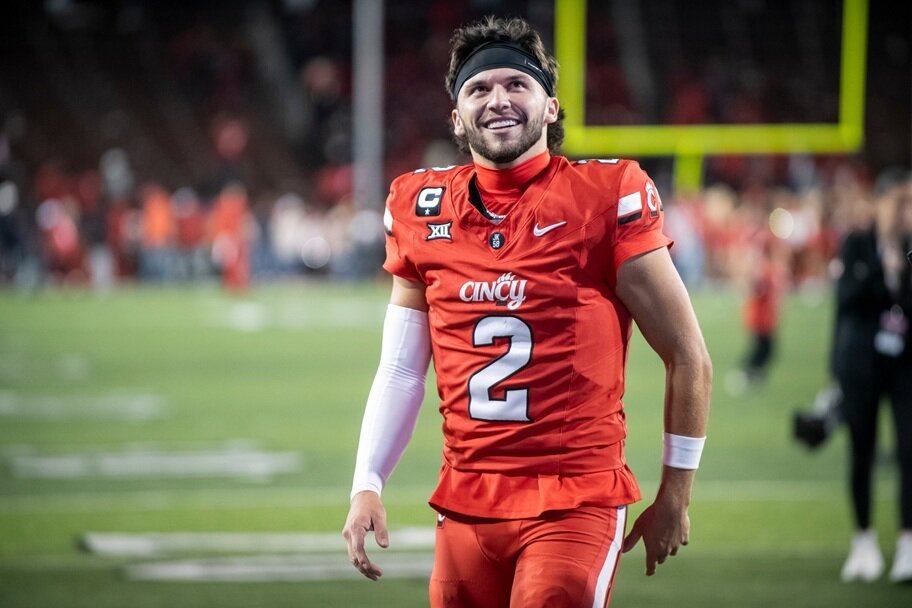
•A judge ruled that Texas Tech quarterback Brendan Sorsby can play during the 2026 season while his legal case continues.
•Sorsby must still serve a two-game suspension, but he avoided a longer NCAA ban that could have ended his college career.
•The case raises questions about NCAA authority and creates uncertainty for sportsbooks and bettors.
Texas Tech quarterback Brendan Sorsby won a temporary court ruling that allows him to play during the 2026 football season. The decision came after the NCAA punished him for placing bets on Texas Tech games.
According to reports, Sorsby will miss two games, but can return afterward. The ruling is important because a starting quarterback can have a major effect on a team’s success and on sports betting odds. The case also raises questions about how much power the NCAA has when courts become involved.
The outcome could influence future cases involving athletes who challenge NCAA penalties.
The Legal Battle Behind the Decision
The NCAA investigated Sorsby after learning that he had placed bets on Indiana games, starting with the 2022 season. The organization planned a much longer suspension that would have kept him off the field for most or all of the season.
Sorsby’s lawyers argued that the punishment was too severe and would damage his future football opportunities. They asked the court to step in while the case is reviewed.
The judge agreed to a temporary solution. Sorsby will serve a two-game suspension, but he can continue playing after that while the legal process moves forward. Texas Tech is slated to play Abilene Christian and Oregon State in those two games.
However, the Big Ten will discuss a league-wide mandate to take Texas Tech off the schedule in all sports as they’re not happy with the ruling. The Big 12, which is Texas Tech’s conference, have thought of doing something similar.
This decision gives both sides a partial victory. The NCAA still enforces a penalty, but the court limited how much playing time Sorsby must miss.
The case highlights a growing challenge for college sports. Sports betting is now regulated in many states, making it easier for athletes to access gambling platforms. NCAA rules still prohibit athletes from betting on their own teams or sports. Sorsby’s case shows the consequences of breaking those rules, but it also shows that athletes may be able to challenge NCAA decisions in court.
For Sorsby, the ruling protects an important season that NFL scouts will closely watch. Missing only two games is much less harmful than losing an entire year.
Another report states that Sorsby’s trial against the NCAA will take place on February 8, 2027. That is two weeks following the CFP National Championship. The NCAA has already appealed the ruling.
Impact on Betting Markets and Integrity Concerns
The ruling creates uncertainty for sportsbooks and bettors. A starting quarterback can significantly affect betting lines, game predictions, and season futures. When a player’s status is unclear because of legal action, sportsbooks have a harder time setting accurate odds.
Bettors who closely follow legal developments may gain an advantage because player availability can quickly change.
The case also raises concerns about the integrity of college sports. Even if a player bets on his own team to win, gambling on games involving his team creates questions about fairness and public trust.
The NCAA has increased efforts to educate athletes about gambling rules since sports betting became more common across the United States. These rules are designed to protect the credibility of college athletics.
Because Sorsby’s case is not fully resolved, more decisions or NCAA actions could follow. Other athletes facing gambling penalties may also use similar legal strategies in the future.
What This Means for Future NCAA Enforcement
The ruling may be another sign that courts are taking a closer look at NCAA disciplinary decisions.
For many years, the NCAA had broad authority to suspend athletes and enforce its rules. Recently, however, courts have become more willing to review whether those punishments are fair.
This creates challenges for coaches, athletes, sportsbooks, and bettors. Teams may not know whether suspended players will be available, and sportsbooks must adjust to changing situations.
The sports betting industry depends on public confidence that games are fair and rules are enforced consistently. Both gambling violations and inconsistent penalties can damage that confidence.
Sorsby’s case is unlikely to be the last dispute involving sports betting and college athletes. As regulated sports betting continues to expand, similar cases will likely appear. More court battles and policy debates are expected in the years ahead.



You must be logged in to comment. Don't have an account? Sign up today.