


Key Takeaways
- DraftKings CEO Jason Robins defended the company’s responsible gaming practices at SBC Summit in Lisbon, days after critical reporting from The New York Times and ProPublica.
- Robins said responsible gaming is built into DraftKings’ company culture, pointing to deposit limits, cool-off periods, and account restrictions as evidence.
- The remarks came during a keynote panel alongside Michael Jordan and Sportradar CEO Carsten Koerl.
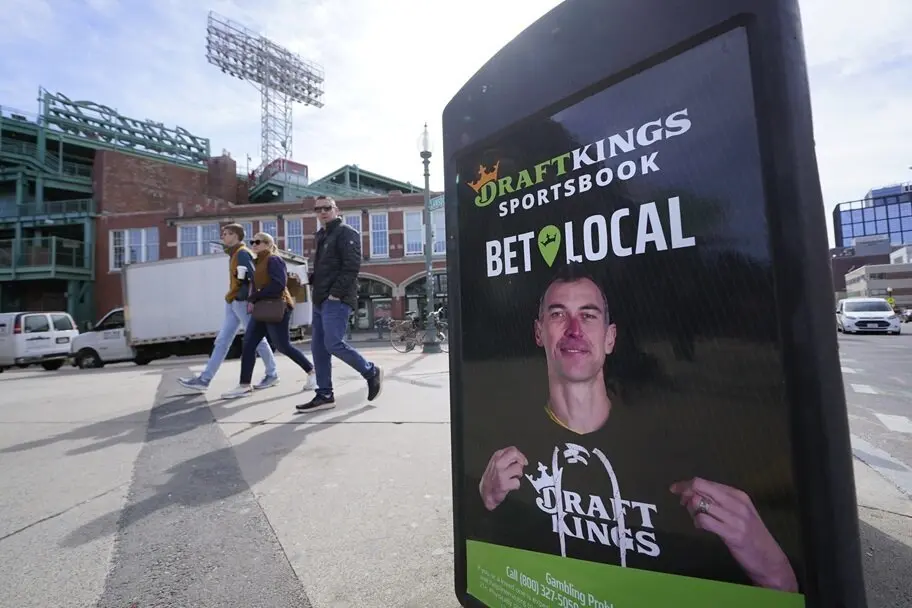
DraftKings CEO Jason Robins pushed back on Tuesday against recent media scrutiny of his company’s responsible gaming practices, calling it frustrating that critics assume the sportsbook profits from encouraging harmful betting.
Speaking at SBC Summit in Lisbon, Portugal, Robins’ comments followed stories from The New York Times on DraftKings’ use of AI and ProPublica on its handling of problem gamblers.
Robins Pushes Back on Industry Perception
Robins responded to a question about responsible gaming from moderator Kirsty Gallagher during a keynote panel that also featured Michael Jordan and Sportradar CEO Carsten Koerl.
“I think a lot of people — and it’s frustrating for us — look at us and say, you’re motivated by the wrong things. You don’t want people to bet within their means, you want to take advantage of people. That could not be farther from the truth,” Robins said. “Every single person in the company will tell you that it’s not at all what we want. That’s the worst possible thing for our company, for our industry.”
How DraftKings Frames Its Responsible Gaming Culture
Robins described responsible gaming as something embedded in how DraftKings operates day to day, not a bolted-on compliance checklist.
“A huge part of that culture around responsible gaming is making sure it’s not just a process, a set of things that people do but it’s actually truly a part of the DNA of the company,” he said. “Every single person in the company cares about it. If you ask anyone — down from the customer service associates, the engineers, anyone — they will tell you that this is a priority for the company.”
He acknowledged the company has room to improve, but pushed back on the idea that gaps stem from indifference.
On the player side, Robins said the harder question is how a company draws the line between personal choice and intervention.
“How do you ultimately tell people what is right and wrong for them? That’s tough,” he said. “But what you can do is you can create tools, you can create opportunities for them to understand what they’re doing and for us to say, listen, this is something that maybe you want to set a limit on, you want to take a cool-off period.” He added that DraftKings blocks accounts in more serious cases where it determines a customer isn’t using the product responsibly.
Comparing Betting Budgets to Everyday Spending
Robins framed responsible betting the way he’d frame any discretionary spending habit.
“If you love something, if you’re somebody who’s really into it, you want to make sure regardless of what it is — if you like to go out to eat, if you like to shop, you should set a budget,” he said. “Same thing with betting: if you love to bet, that’s a good thing, that’s a fun thing that makes you happy, you still should set a budget.”
DraftKings offers deposit limits, cool-off periods, and time-tracking tools through its Super App as part of that approach, according to Robins.
Why This Matters
Robins’ comments land at a moment when sportsbooks face growing public scrutiny over how they balance growth with player protection, especially as AI-driven personalization and marketing tools become more central to how operators engage bettors.
For readers choosing where to bet, how an operator talks about responsible gaming, and what tools it actually offers, can be as telling as its odds or promotions. DraftKings’ public defense of its practices is unlikely to be the last word in this debate, particularly with more coverage of the industry’s responsible gaming track record likely ahead.



You must be logged in to comment. Don't have an account? Sign up today.