

Key Takeaways
- BetMGM, DraftKings, and FanDuel are using famous soccer stars in advertising campaigns aimed at World Cup fans.
- Prediction market companies Kalshi and Polymarket are using the tournament to grow their brands and compete with sportsbooks.
- Different gambling regulations across US states are forcing companies to create separate marketing strategies, with most spending focused on digital channels.
The 2026 FIFA World Cup is expected to be the biggest sports betting event in US history. Sportsbooks including BetMGM, DraftKings, and FanDuel are competing with prediction market platforms Kalshi and Polymarket for new customers.
With the tournament in North America, operators hope to attract first-time bettors.
Sportsbooks Turn to Soccer Stars
To stand out from competitors, sportsbooks are using well-known soccer personalities in their marketing campaigns.
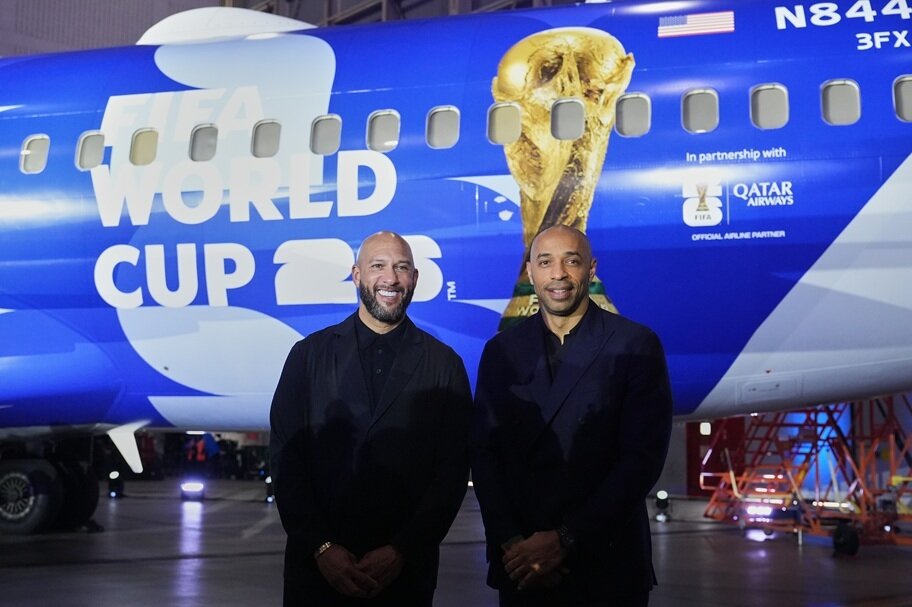
DraftKings features former Mexico and Manchester United star Javier “Chicharito” Hernández. FanDuel is promoting the tournament with former US national team player Landon Donovan. BetMGM has partnered with former US goalkeeper Tim Howard.
These celebrity partnerships are designed to work across digital platforms, where most betting companies now spend the majority of their marketing budgets. According to Prevost, 80% to 90% of BetMGM’s World Cup advertising budget will go toward digital channels such as connected TV, online video, display advertising, and social media.
Prediction Markets Join the Competition
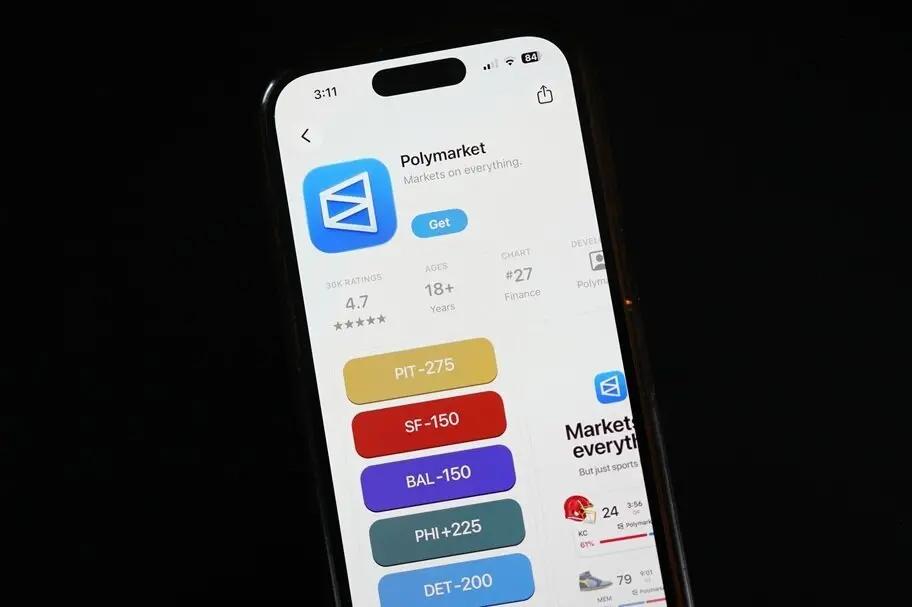
Kalshi and Polymarket are also using the World Cup to increase awareness of their brands.
Kalshi launched a campaign featuring former Brazilian defender Marcelo, along with soccer stars Ángel Di María and Rio Ferdinand. The company also created a separate promotion with actor Timothée Chalamet to reach audiences beyond sports fans.
Kalshi Head of Growth Keaton Inglis said the company is focusing on platforms such as YouTube, Instagram, and Facebook. The campaign was developed in about a month and is aimed at attracting new users while building long-term brand recognition.
Dealing With Different State Rules
One of the biggest challenges for US sportsbooks is the country’s complex gambling regulations. Since states have different rules, operators cannot rely on one national advertising campaign.
Instead, they must adjust their marketing strategies for each state. Prevost said promotions in states like North Carolina or Kansas may be very different from those in Michigan.
To manage these differences, BetMGM recently partnered with an AI-powered media analytics company. The technology helps the sportsbook track performance in individual markets and make changes quickly when needed.



You must be logged in to comment. Don't have an account? Sign up today.