

Key Takeaways
- The House Administration Committee approved HR 9367, which would ban lawmakers, their spouses, and dependent children from trading on political prediction markets.
- Democrats voted against the bill because they believe it has too many loopholes and is weaker than the Senate’s ban.
- The legislation comes after several controversial prediction market trades raised concerns about insider trading.
A House committee approved a bill on Wednesday that would stop members of Congress and their immediate family from trading on political prediction markets.
Supporters say the bill would help prevent conflicts of interest, but Democrats argue it does not go far enough.
What the Bill Would Do
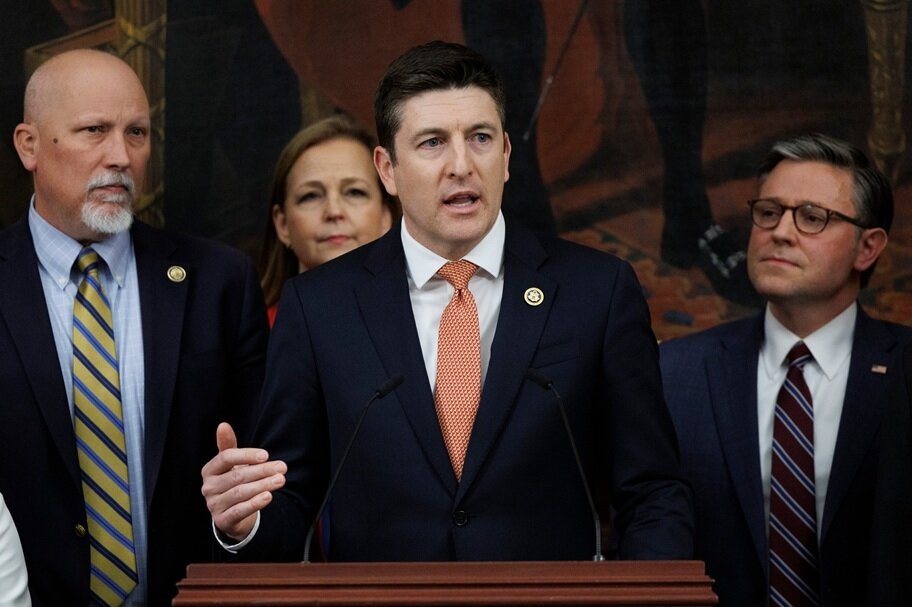
HR 9367 was introduced by House Administration Committee Chair Bryan Steil (R-Wis.). It would stop members of Congress, their spouses, and dependent children from trading on prediction markets tied to elections or government actions.
Steil said the goal is to prevent lawmakers from making money on events they may influence. He argued that public officials should focus on serving the public instead of profiting from government decisions.
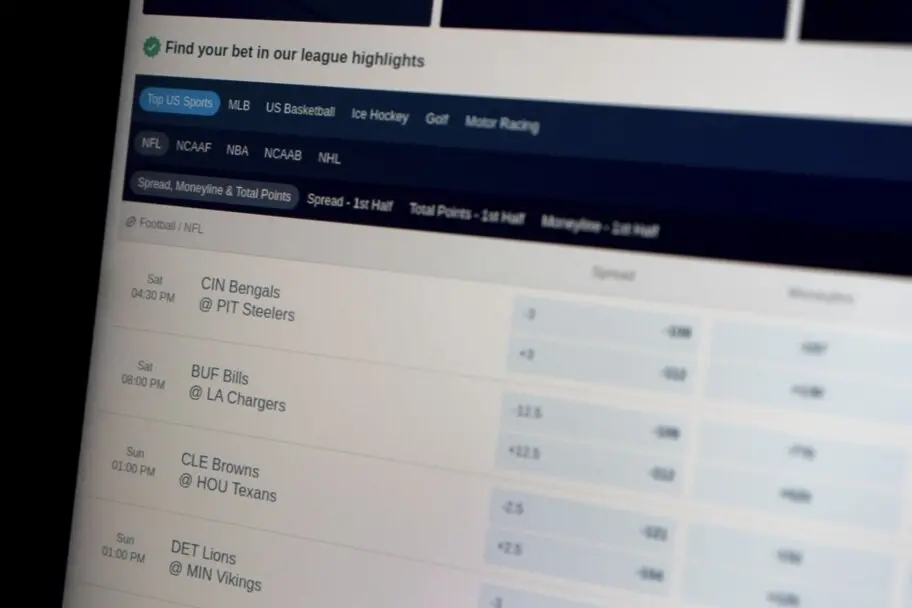
The bill does not ban sports betting or casino-style prediction markets. Steil said lawmakers’ family members should still be allowed to bet on sports through sportsbooks or other regulated betting platforms.
Why Democrats Opposed the Bill, and Insider Trading Concerns
Although Democrats voted against the bill, they also support banning lawmakers from prediction markets. They believe this proposal is simply too limited.
Rep. Joe Morelle (D-N.Y.), the committee’s top Democrat, said the bill contains too many loopholes. He argued that the House should copy the Senate’s approach, which quickly passed a complete ban on prediction market trading for lawmakers and staff.
Morelle also criticized the House bill for including a six-month grace period and a more complicated process. He said Congress should pass a simple, immediate ban instead. That disagreement could make it harder for the bill to pass as it moves through Congress.
The push for new rules follows several controversial prediction market trades over the past year.
Prediction markets allow people to buy and sell contracts based on the outcome of real-world events. As these platforms have grown, questions have been raised about whether people with inside information could profit unfairly.
Some of the most talked-about trades involved major political and international events. In one case, a Google engineer was charged in connection with an alleged insider trading scheme involving Polymarket.
Those cases increased pressure on lawmakers to act. The Senate responded by banning its members and staff from trading on prediction markets. The House is now considering its own version of a ban.
Political Markets vs. Sports Betting, and What’s Next
A major issue during the committee debate was the difference between political prediction markets and sports betting.
Steil said betting on government decisions is very different from betting on a football game. Because of that, his bill only targets political prediction markets and leaves sports betting untouched.
That distinction is important for the gambling industry. Licensed sportsbooks have long argued that regulated sports betting follows strict consumer protection rules and should not be treated the same as markets tied to political events.
The bill now moves to the next stage in the House, but its future remains uncertain. Democrats want a broader ban similar to the one already approved by the Senate, while Republicans are supporting the narrower approach in HR 9367.




You must be logged in to comment. Don't have an account? Sign up today.