

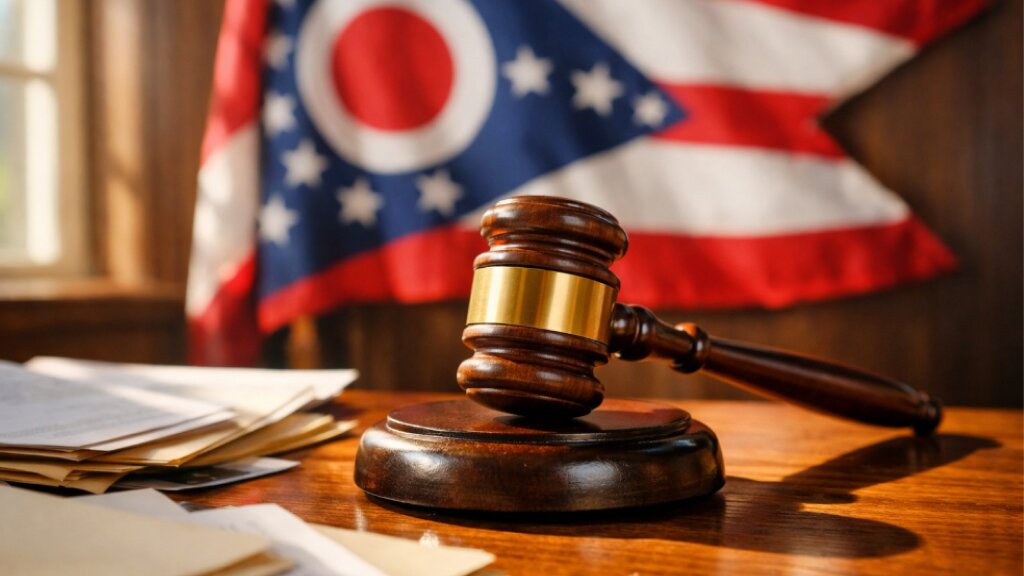
Key Takeaways
- Ohio legislators introduced a bill that would eliminate all online sports betting and force bettors to use only retail sportsbooks.
- The proposal would ban college sports betting, parlays, player props, and live betting across the state.
- If passed, the restrictions would take effect July 2, 2026, drastically reducing regulated betting options in one of America’s largest markets.
Ohio sports bettors could face the nation’s most restrictive betting environment under a new legislative proposal. State lawmakers have introduced a bill that would eliminate online wagering entirely and ban most popular bet types.
The measure would prohibit college sports betting, parlays, player props, and live betting. Only retail sportsbooks would remain regulated if the bill passes. The restrictions would fundamentally reshape Ohio’s sports betting landscape, which currently ranks among the top markets in the United States. T
According to the latest reports, the changes would take effect in July 2026. The proposal represents the most sweeping rollback of sports betting access attempted by any state since legalization began spreading nationwide.
What the Bill Would Actually Eliminate
The proposed legislation targets virtually every aspect of modern sports betting. Online and mobile wagering would disappear completely. Bettors would need to visit physical sportsbook locations to place any wager or use offshore sportsbooks.
The bill also bans betting on college sports at any level. This includes major programs like Ohio State football and basketball, as well as smaller schools.
Parlays would become illegal under the proposal. These are bets that combine multiple selections into one wager with higher potential payouts.
Player props would also be prohibited. Props are bets on individual player performance, such as how many points a basketball player will score.
Live betting during games would end as well. This type of wagering, also called in-play betting, lets bettors place wagers while events are happening.
The restrictions would leave only basic straight bets on professional sports outcomes. Bettors could wager on which team wins a game, but little else. The changes would eliminate the betting options that drive the most customer engagement and operator revenue.
Mobile betting accounts for roughly 90% of total handle (the total amount wagered) in most legal states. Parlays and props generate significant interest among casual bettors who enjoy the entertainment value and bigger potential payouts.
Market Impact and Industry Concerns
Ohio launched legal sports betting in January 2023 and quickly became a top-five market nationally. The state generated hundreds of millions in handle monthly. Tax revenue from sports betting has funded problem gambling programs and other state initiatives. This bill would reverse that growth dramatically.
Legal sportsbook operators would face massive revenue losses. Companies like DraftKings, FanDuel, and BetMGM have invested heavily in the Ohio market.
The betting industry has consistently argued that restrictive regulations push customers toward illegal options. Ohio’s proposal moves in the opposite direction of national trends. Most states are expanding betting options and improving mobile access rather than restricting them.





You must be logged in to comment. Don't have an account? Sign up today.