

Key Takeaways
- HISA charged Rhodes College economics professor Marshall Gramm with fraud for allegedly accessing confidential horse health data through the HISA Portal.
- Seven of the nine horses involved were claimed at Churchill Downs for prices between $16,000 and $40,000.
- Gramm faces a possible lifetime ban from horse racing and denies wrongdoing, saying he used his own login and bypassed no security measures.
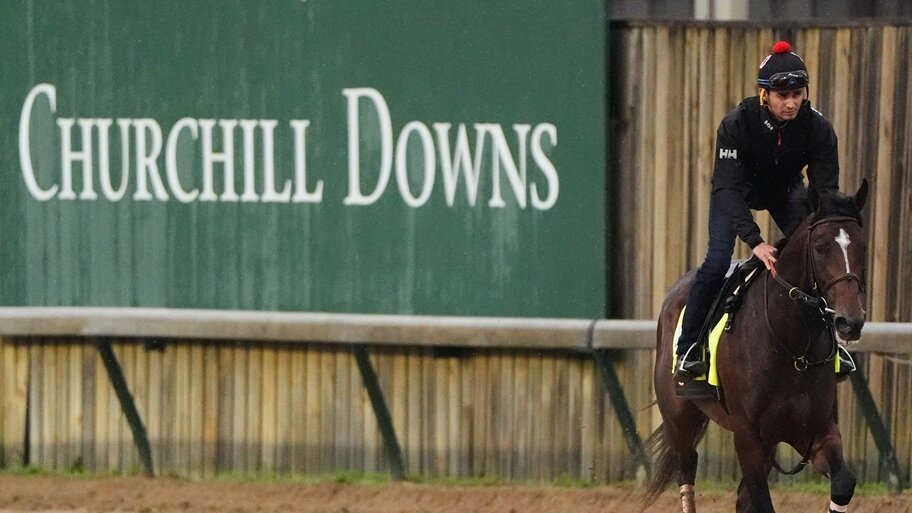
A Memphis economics professor and horse owner could be banned from thoroughbred racing for life after the Horseracing Integrity and Safety Authority charged him with fraud. The Horseracing Integrity and Safety Authority (HISA) says Marshall Gramm accessed private health and performance records for horses he later claimed at Churchill Downs.
Charges filed August 17, 2026, say Gramm viewed data on at least nine horses between early May and July. The Rhodes College professor denies breaking any rules.
What HISA Is Alleging
HISA says Gramm used his authorized portal account to view private veterinary records and performance data for horses he did not own. He then claimed some of those horses at the track. HISA alleges that the health information gave him an unfair advantage.
The agency says this data should normally be limited to a horse’s trainer, owners, and regulatory veterinarians. HISA said it found no outside system breach. It believes Gramm used a valid account to reach records he was not supposed to see. HISA is also reviewing whether portal weaknesses allowed users to access restricted information.
The Horses at the Center of the Case
Seven of the nine horses named by HISA were claimed at Churchill Downs in Louisville, Kentucky, between May 9 and June 25. Claim prices ranged from $16,000 for Coastal Breeze to $40,000 for Barksdale.
The buyers included Ten Strike Racing, Four Corners Racing, Cory Moelis Racing LLC, and Jeremy Sussman. Results after the claims were limited. Scribble earned $34,952 before being claimed by another owner for $30,000. Barksdale and Real Macho each earned less than $2,500, while Coastal Breeze has not raced since being claimed.
The other two horses, Lex and Tiger Moon, were not claimed at Churchill Downs. Lex has never raced in Kentucky. Tiger Moon last raced there at Ellis Park the previous August.
Gramm’s Public Rebuttal, and Why This Matters for Racing Integrity
Gramm responded on X. He said he used his own account, did not hide his identity, and did not bypass security measures.
His defense focuses on the difference between breaking into a system and using an authorized account to view information the system made available. That issue could be important in a hearing. Gramm has published more than a dozen works about horse racing, according to his university biography.
HISA was created to bring consistent safety and integrity rules to horse racing, which was long regulated mainly by individual states. In claiming races, licensed owners can buy horses for set prices, making fair access to information significant.
If an owner can see private veterinary data before choosing a horse to claim, that could create an unfair advantage. The case also raises questions about how HISA protects sensitive records.
What’s Next
Gramm faces HISA’s disciplinary process, and lifetime ban is the maximum penalty. The case may depend on whether officials view his actions as unauthorized access or improper use of access he was already allowed to have.
HISA’s review of possible system weaknesses may lead the agency to change how its portal limits data for users with valid accounts. The final decision could influence future rules for confidential information in horse racing.



You must be logged in to comment. Don't have an account? Sign up today.