

Key Takeaways
- A Michigan judge issued a temporary order stopping Kalshi from offering sports-related event contracts to state residents.
- The ruling gives Michigan regulators an early victory in their fight to classify certain prediction markets as unlicensed sports betting.
- The decision could influence how other states respond to prediction market platforms that resemble traditional sportsbook products.
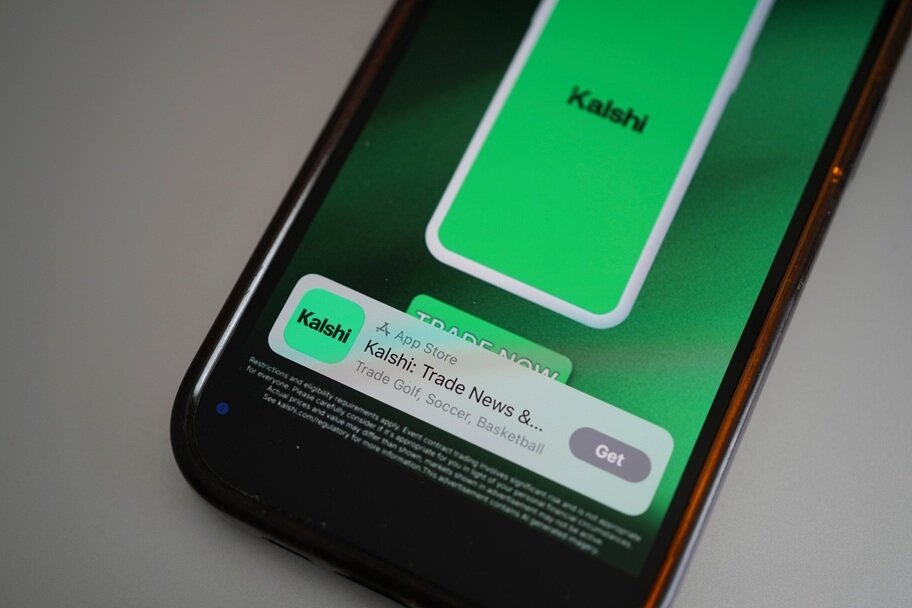
A Michigan judge has temporarily blocked Kalshi from offering sports-related event contracts to residents in the state. The order came after Michigan regulators argued that these contracts function as sports betting without proper state licensing.
The ruling marks a significant development in the ongoing debate over whether prediction markets fall under federal or state oversight. For sports bettors and operators across the United States, this decision signals that states will continue to challenge platforms that blur the line between regulated sports betting and federally-approved prediction markets.
The case could reshape how similar platforms operate nationwide.
State Regulators Challenge Federal Authority
Michigan regulators secured the temporary pause by arguing that Kalshi’s sports-related contracts violate Michigan’s gambling laws. The platform operates under approval from the Commodity Futures Trading Commission (CFTC), a federal agency. However, Michigan officials contend that certain event contracts look and function like traditional sports wagers.
This represents a direct challenge to the federal-state regulatory divide. The CFTC regulates prediction markets as financial instruments. Meanwhile, states control sports betting through their own licensing systems.
Kalshi offers contracts on various events, including sports outcomes. Users buy and sell contracts based on whether they believe an event will happen. The platform argues this differs from traditional sports betting.
However, Michigan regulators see little practical difference when contracts focus on game results or player performance. The temporary order forces Kalshi to immediately stop serving Michigan customers. This affects bettors who used the platform as an alternative to licensed sportsbooks.
The pause remains in effect while the court considers the full case. Michigan joins other states examining whether prediction markets need state gambling licenses when they offer sports-related products.
Broader Implications for Prediction Markets
This ruling could influence regulatory decisions in other states with legal sports betting. Many regulators are watching how Michigan handles the Kalshi situation. The outcome may determine whether prediction market platforms can operate freely under federal approval or need state-by-state licensing.
The case highlights tension between innovation and regulation in the betting space. Prediction markets have existed for years, often focusing on political or economic events. However, sports-related contracts have drawn increased scrutiny. State regulators argue that offering contracts on NFL games or NBA player performance is simply sports betting by another name.
For everyday bettors, this creates uncertainty about access to alternative wagering platforms. Some users prefer prediction markets because they offer different pricing structures than traditional sportsbooks. Others appreciate the ability to trade positions before events conclude. However, state enforcement actions could limit these options.
The decision also affects how platforms design their products. Kalshi and similar companies may need to adjust which contracts they offer in different states. Some might avoid sports-related markets entirely in states with aggressive regulators. Others could seek state licenses, though this would add significant compliance costs.




You must be logged in to comment. Don't have an account? Sign up today.