


Key Takeaways
- Nevada lawmakers have introduced a bill that would ban prediction markets from operating in the state.
- Nevada is one of the first states to take direct legislative action against these platforms.
- The proposal adds to the growing fight between federally regulated prediction markets and state-regulated sportsbooks.
Nevada lawmakers have introduced a bill that would ban prediction markets from operating in the state. The move is one of the strongest actions yet against an industry that has grown quickly and blurred the line between investing and sports betting.
If passed, the bill would place Nevada at the center of the national debate over who should regulate prediction markets. Supporters say these platforms look and act like sportsbooks, while prediction market companies argue they are financial exchanges regulated by the federal government.
Nevada Draws a Hard Line
Nevada has long been a leader in regulated gambling, with one of the strictest gaming regulatory systems in the country. Lawmakers say they want to protect that system from companies operating outside state gaming laws.
Prediction markets let users buy and sell contracts based on the outcome of real-world events, including sports games and elections. Because many of these platforms operate under federal commodity trading rules instead of state gaming licenses, they avoid many of the requirements that sportsbooks must meet.
Nevada lawmakers argue that creates an unfair advantage for prediction market operators while weakening the state’s authority over gambling.
What Are Prediction Markets, and Why Do They Matter?
Prediction markets allow people to trade contracts based on future events. If the prediction is correct, the contract pays out. While this looks similar to placing a sports bet, the biggest difference is who regulates the activity.
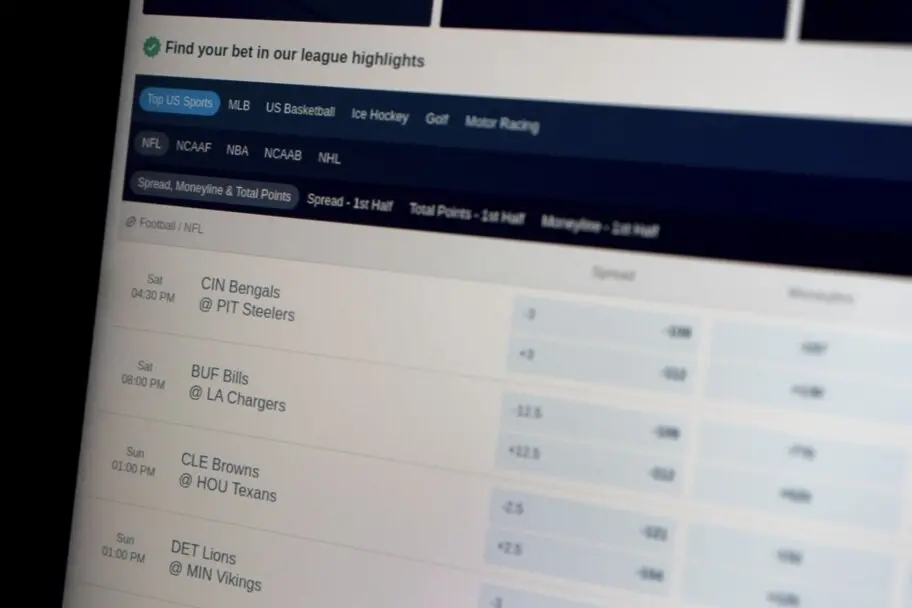
Sportsbooks such as DraftKings, FanDuel, BetMGM, and Caesars must obtain state licenses, pay licensing fees, and follow strict gaming rules. Many prediction market platforms instead operate under federal oversight through the Commodity Futures Trading Commission (CFTC).
That difference has become a major point of conflict as prediction markets expand into sports-related contracts.
The Regulatory Turf War Heats Up, and What This Means for the Broader US Gambling Market
Nevada’s bill is the latest step in a growing fight between state gaming regulators and prediction market companies.
Prediction market operators argue their products fall under federal law and do not require state gaming licenses. State regulators disagree, saying these products closely resemble sports betting and should follow the same rules as regulated sportsbooks.
Sportsbook operators also worry that prediction markets are competing without meeting the same regulatory and financial requirements. Nevada lawmakers hope the bill will protect both consumers and the state’s regulated betting industry.
Nevada’s decision could influence lawmakers across the country. Because the state has long been considered a leader in regulated sports betting, other states may choose to follow its example.
If more states introduce similar laws, prediction markets could face restrictions across much of the United States. That could also increase pressure on federal regulators or the courts to decide whether these platforms should be regulated under state gaming laws or federal financial rules.
The outcome could shape the future of both prediction markets and regulated sports betting.
What’s Next
The bill must now move through Nevada’s legislative process before becoming law. Lawmakers will debate the proposal in committee before it can advance to full votes.
The gambling industry will be watching closely. If Nevada’s approach gains support, other states could introduce similar legislation.
The coming months may determine whether prediction markets continue expanding across the country or face tougher state regulations that limit their role in the US sports betting industry.




You must be logged in to comment. Don't have an account? Sign up today.