

Key Takeaways
- Missouri collected more sports betting tax revenue in July even though the state’s total betting handle fell.
- The decline in wagers points to a typical slowdown during the summer sports calendar.
- Higher tax revenue despite a lower handle could provide an early look at operator margins and Missouri’s sports betting tax structure.
Missouri’s sports betting market generated more tax revenue in July, even as bettors wagered less money during the month.
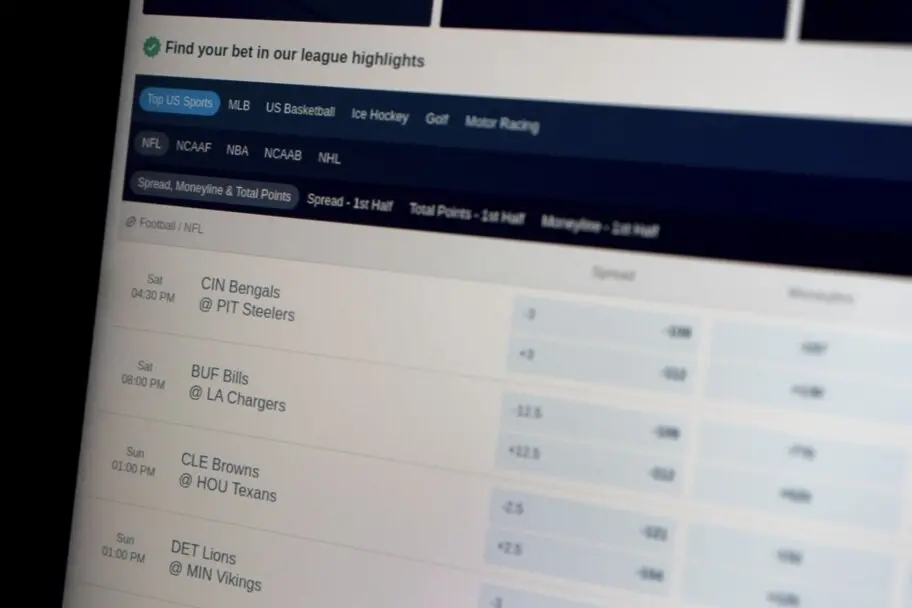
The difference between betting handle and tax collections offers an interesting look at Missouri’s young sports betting market. While betting activity slowed, the state still collected more revenue. Regulators and sportsbook operators will be watching this trend as the market continues to grow.
A Counterintuitive Revenue Story
At first glance, Missouri’s July sports betting numbers may seem unusual. Bettors wagered less money overall, but the state collected more tax revenue.
There are a few possible reasons for this. Sportsbooks may have kept a larger percentage of the money wagered, meaning bettors lost more compared to the amount they staked. Promotional deductions and other adjustments may have also had less impact on taxable revenue in July.
This type of pattern is not unusual for a newer sports betting market. Sportsbooks often offer large bonuses and promotional credits when entering a new state. These promotions can reduce taxable gaming revenue during the early months.
As promotions become less common, taxable revenue can increase even when the total amount wagered falls.
Summer Slowdown Hits the Handle, Even With The World Cup
July is usually one of the quieter months on the U.S. sports betting calendar.
The NFL and college football seasons have not started, while the NBA and NHL playoffs are already over. MLB is in the middle of its regular season, but baseball generally does not attract the same level of betting activity as football.
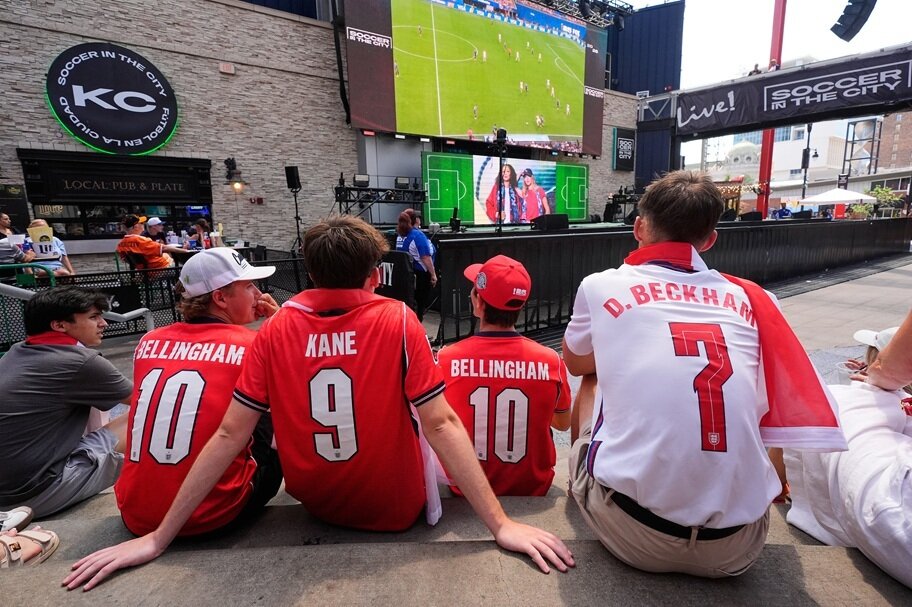
Neil Schwartz, president of SBRnet, was “surprised” that this summer’s World Cup didn’t lead to more gambling. One of the World Cup venues was Arrowhead Stadium in Kansas City.
Overall, Missouri’s lower July handle fits this seasonal trend.
Other regulated sports betting states have experienced similar summer slowdowns in recent years. Betting activity typically begins climbing again when football returns.
As a result, Missouri’s August and September numbers could provide a better picture of the market’s long-term potential.
What the Tax Structure Means for Missouri, and Early Market Indicators
Missouri voters approved regulated sports betting with a tax system designed to generate public revenue from the industry.
When tax collections increase while betting handle declines, it suggests the state can still generate meaningful revenue without relying on record wagering totals.
However, one month does not tell the full story.
The amount of tax revenue Missouri collects over the long term will depend heavily on betting activity during football season. The performance of licensed sportsbooks during the fall should provide a clearer picture of how much revenue the market can produce.
Missouri’s regulated sports betting industry is still relatively new, so July represents an early look at how the market is performing.
It is difficult to draw major conclusions from a single month, especially during the slower summer betting season.
Still, higher tax revenue could be an encouraging sign for state officials who supported regulated sports betting. It may suggest that Missouri’s sports betting revenue is beginning to stabilize before football brings a major increase in betting activity.
A strong football season could give the state a much clearer idea of what to expect from sports betting over the long term.
Looking Ahead
The biggest test for Missouri’s sports betting market will come during football season.
Football is one of the biggest drivers of sports betting activity in regulated U.S. markets. Missouri also has passionate sports fans, including supporters of the Kansas City Chiefs and St. Louis Blues.
If Missouri continues collecting strong tax revenue while betting volume increases this fall, the state could develop into a meaningful sports betting market and a stronger source of public revenue.




You must be logged in to comment. Don't have an account? Sign up today.