

Key Takeaways
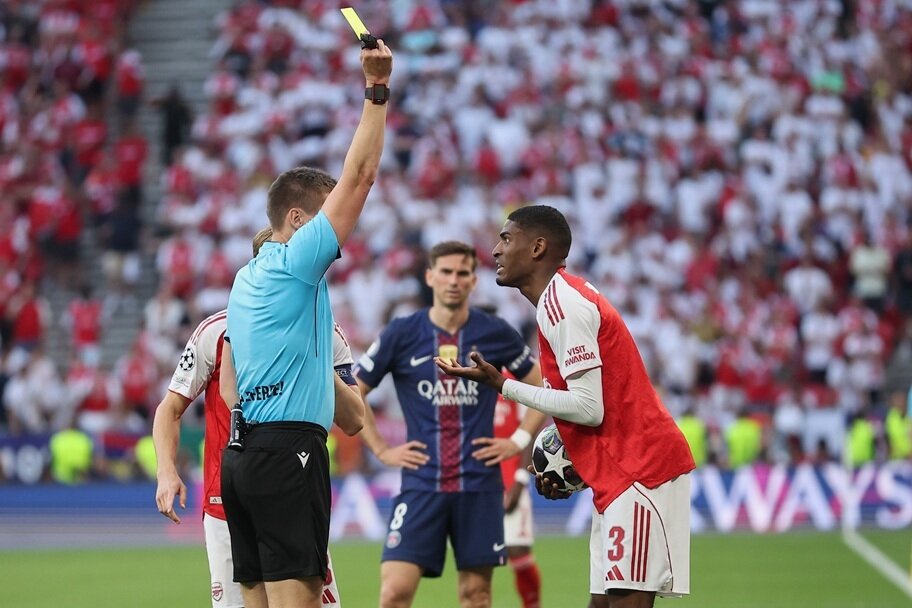
•Yellow-card betting is under increased scrutiny because players or referees can influence card outcomes without affecting the final result of a match.
•Integrity monitors are expected to closely watch card-related and player-specific betting markets during the 2026 FIFA World Cup.
•US sportsbooks may reduce betting options, lower wager limits, or suspend some card-related markets to help prevent manipulation.
Yellow-card betting is drawing increased attention ahead of the 2026 World Cup. Because players or referees can influence yellow cards without affecting the final result, regulators view these bets as a potential integrity risk.
Sportsbooks may limit or remove some card-related betting options during what is expected to be a record-setting tournament.
Why Card Props Create Unique Manipulation Risks
Yellow-card betting differs from traditional match-fixing. Fixing a game’s result usually requires several players working together and carries a high risk of being detected. Influencing a yellow card is much simpler. A player can commit a tactical foul, or a referee can make a questionable decision, without changing who wins the match.
Because of this, card-related betting markets can be attractive targets for manipulation. Bettors can wager on the total number of yellow cards, cards issued during a specific half, or whether a certain player will receive a booking.
Integrity experts have reported suspicious betting activity involving card markets at past World Cups. While proving wrongdoing is difficult, regulators consider these markets more vulnerable than traditional wagers, such as World Cup winner odds or game bets.
To address these concerns, an ESPN report states that monitoring systems at the 2026 tournament are expected to focus heavily on unusual betting patterns involving disciplinary actions.
What Changes US Bettors Can Expect
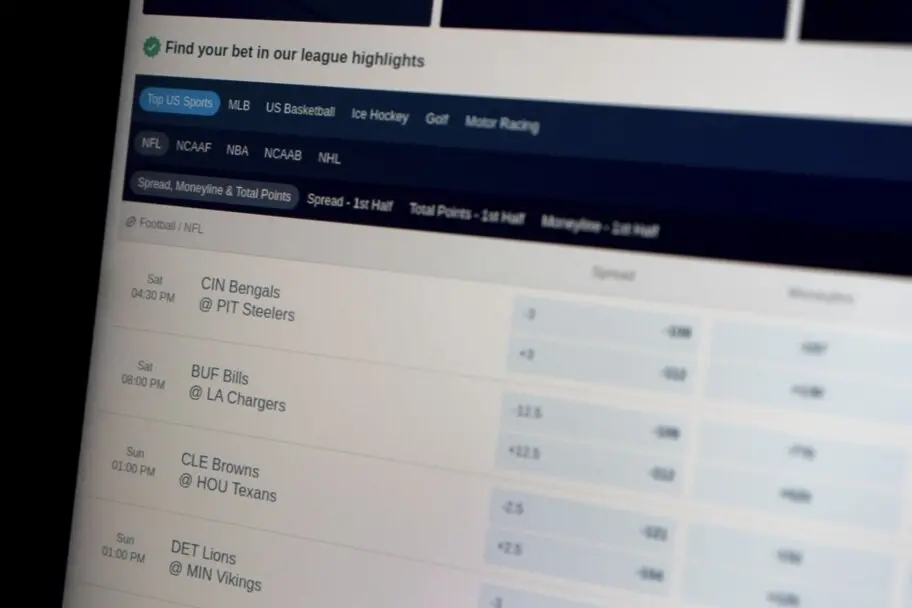
Sportsbooks may adjust their World Cup betting menus to reduce risk. One likely change is lower betting limits on yellow-card props, meaning bettors will not be able to wager as much money on those markets. Some operators may also suspend live betting on card-related props during matches.
Others could remove certain wagers altogether, including bets on individual players receiving yellow cards or the number of cards shown in a specific half.
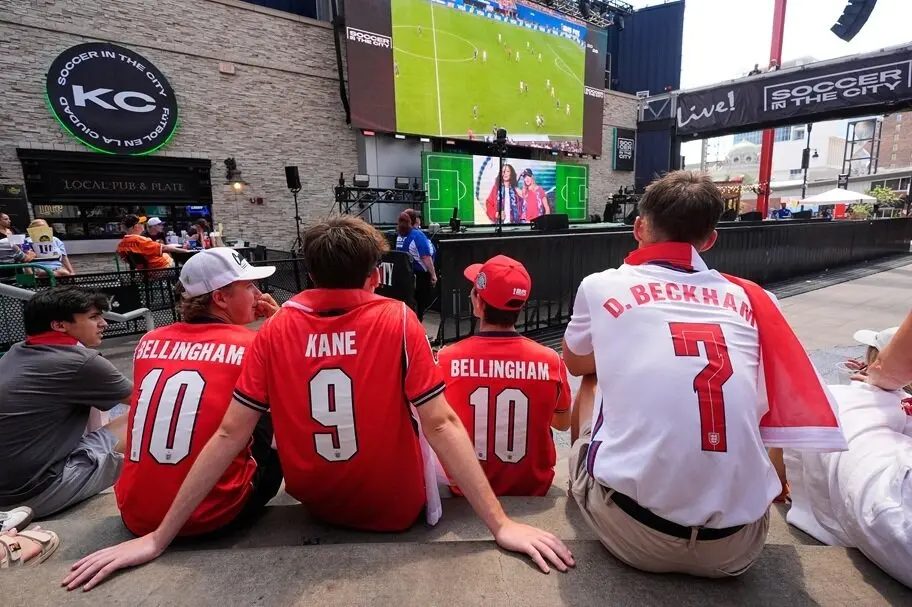
These changes could surprise some bettors. Interest in the 2022 World Cup was strong despite inconvenient match times for US audiences. With many 2026 matches being played in North America and scheduled for local viewers, betting activity is expected to reach new highs.
At the same time, state regulators have become more advanced in monitoring sports betting since regulation expanded across the United States. Gaming commissions now work with international integrity organizations that track betting activity around the world.
If suspicious betting patterns appear in one market, alerts can quickly be shared with regulators and sportsbooks in other countries. While this helps protect competition, it may also encourage sportsbooks to be more cautious about offering higher-risk betting options.




You must be logged in to comment. Don't have an account? Sign up today.