

Key Takeaways
- Democrat Amy Acton and Libertarian Don Kissick both support expanding online gambling in Ohio, while Republican Vivek Ramaswamy has not shared his position.
- Ohio’s casinos, racinos, and sports betting industry generated a record $3.5 billion in revenue last year.
- Gambling companies are already spending heavily on Ohio politics as they push for future expansion.
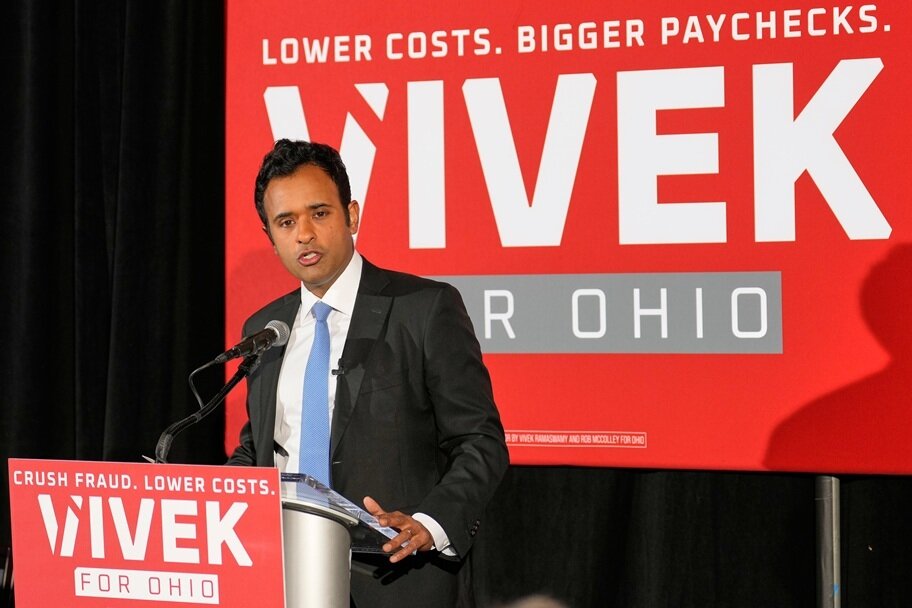
Two of Ohio’s three major candidates for governor have publicly supported expanding online gambling, but Republican nominee Vivek Ramaswamy has stayed quiet on the issue.
The next governor will decide whether Ohio regulates online casinos, internet horse race betting, and iLottery games. That decision could shape one of the state’s biggest industries for years to come.
A Billion-Dollar Question on the Ballot
Ohio already has four casinos, seven racinos, and regulated sports betting, which launched in 2023. Together, those businesses produced a record $3.5 billion in revenue last year, according to the American Gaming Association.
Now, lawmakers must decide whether to allow more online gambling options. Supporters believe expansion could generate new tax revenue, while critics warn it could increase gambling addiction and financial problems.
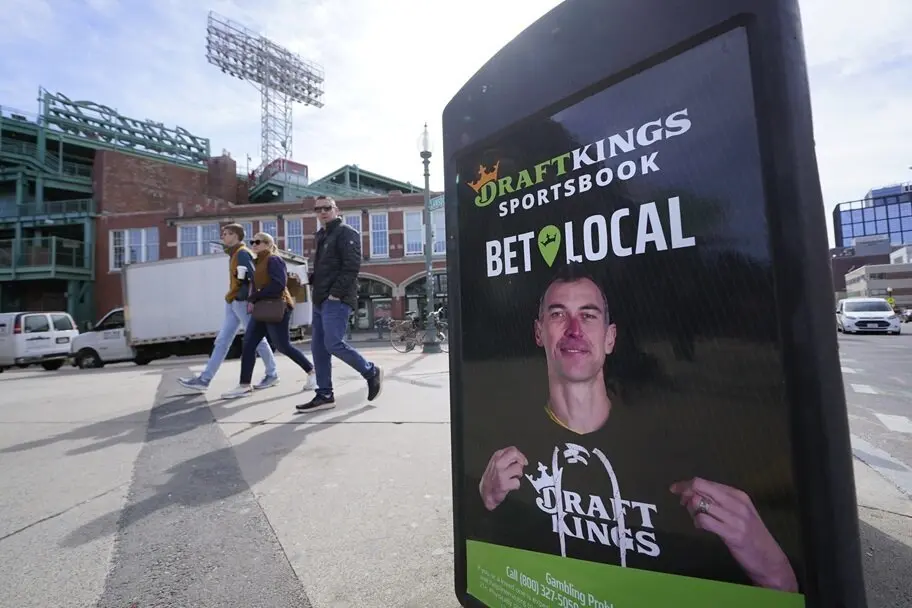
The gambling industry is already investing in Ohio politics. Earlier this year, a DraftKings-backed super PAC spent more than $1 million supporting Republican legislative candidates, showing how important Ohio has become to the industry.
Acton and Kissick Support Expansion, While Ramaswamy’s Silence Raises Questions
Democratic candidate Amy Acton supports expanding online gambling. Her campaign says the extra tax revenue could help pay for public schools, childcare programs, and property tax relief.
Libertarian candidate Don Kissick also supports regulation, arguing that adults should have more freedom to decide how they spend their money. However, he favors fewer government restrictions than Acton.
Both candidates were also asked about Ohio’s 20% sports betting tax, Gov. Mike DeWine’s proposed ban on prop bets, and limits on microprop wagers. Those issues will likely remain significant after the election.
Vivek Ramaswamy has not publicly explained where he stands on gambling expansion. His campaign did not respond to questions from Cleveland.com and The Plain Dealer.
That silence stands out because some Ohio Republicans have already explored expanding online gambling to help replace state income tax revenue. Ramaswamy has also promised to eliminate Ohio’s state income tax, but he has not said whether gambling revenue could help fill that gap.
For gambling companies, the lack of a clear position creates uncertainty ahead of Election Day.
The Problem Gambling Debate
Supporters of expansion face strong opposition. Gov. Mike DeWine has said regulating sports betting is his biggest regret as governor. Critics argue that more gambling could increase addiction and place a greater financial burden on vulnerable families.
A recent Federal Reserve Bank of New York study also found links between regulated sports betting and lower credit scores, higher delinquency rates, and financial problems that can spread into neighboring states.
If Ohio expands online gambling, state leaders will also have to decide how much money to invest in addiction treatment, responsible gambling programs, and consumer protections.
What’s Next
November’s election will help determine the future of gambling in Ohio.If Acton wins, online casinos, iLottery games, and internet horse race betting could move forward as part of a broader plan to raise revenue. Kissick would likely support similar changes.
If Ramaswamy wins, the industry’s future is less certain because he has not shared his plans. However, pressure to find new sources of revenue could eventually push the issue back into the spotlight.
No matter who wins, gambling companies are expected to increase their lobbying efforts after the election as Ohio debates its next move.




You must be logged in to comment. Don't have an account? Sign up today.