

Key Takeaways
- Nine Democratic senators are urging the CFTC to reverse its November 5 order requiring prediction markets to remove certain geographic restrictions.
- Prediction market operators have 30 days to comply with the order or explain why compliance isn’t feasible, setting an early December deadline.
- The dispute pits federal regulators against states challenging Kalshi and Polymarket, potentially setting up a Supreme Court showdown over sports event contracts.
Nine Democratic senators are pushing back on the Commodity Futures Trading Commission (CFTC). In a letter reported Monday, November 16, by the Wall Street Journal, the group asked the agency to reverse its November 5 order.
That order directed prediction markets to drop geographic restrictions on their platforms within 30 days. For bettors, the outcome could shape where sports event contracts are available and whose rules apply.
What the Senators Want the CFTC to Do
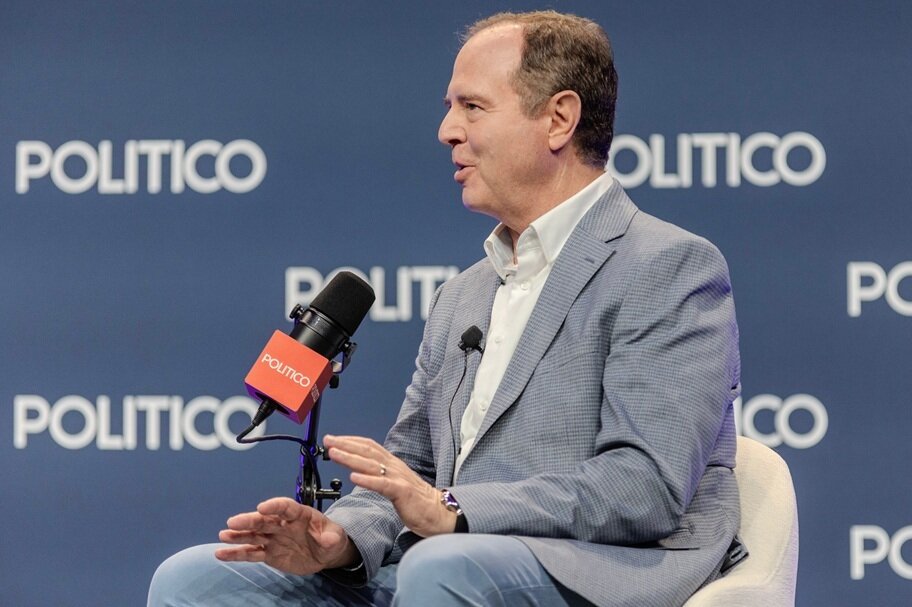
The signers include Adam Schiff of California, Amy Klobuchar of Minnesota, and Elissa Slotkin, according to WSJ reporting cited by Seeking Alpha and TechFlow.
The letter asks the CFTC to stop its efforts to assert authority over prediction markets. Its sharpest line reads: “Your unilateral decision directly conflicts with active court orders, undermines state and tribal law, and must be reversed.”
As of publication, we haven’t seen a public CFTC response to the letter.
What the CFTC’s November 5 Order Requires
The November 5 action was a regulatory interpretation aimed at designated contract markets (DCMs). DCMs are exchanges the CFTC supervises, and some list event contracts, which let users trade on yes-or-no outcomes such as a game result.
The order tells DCMs to remove domestic geographic restrictions that don’t comply with fair-access requirements. Platforms have 30 days to comply or explain why compliance isn’t feasible. Counting from November 5, that window closes in early December.
In practice, geographic restrictions are how a platform blocks users in certain states. Removing them could open contracts to residents of states that are actively fighting these platforms in court.
Why the Order Collides With State Gambling Laws
At least a dozen states have sued Kalshi and Polymarket, according to Seeking Alpha. Those suits allege the companies run gambling businesses that violate state rules.
Some states have already won ground in court. A federal judge sided with New York in its fight with Kalshi in July, and Nevada extended its court-ordered Kalshi ban in April. The senators say the CFTC’s order may conflict with court orders like these.
The CFTC sees it differently. It classifies event contracts as swaps and claims exclusive jurisdiction over them. The agency’s position is that its futures authority preempts, or overrides, state rules.
The CFTC Is Taking States to Court
The agency has backed that position with lawsuits of its own. It sued New Mexico in June and in July, blocked Michigan from unwinding Kalshi sports trades.
Last week, the CFTC sued Arkansas after the state filed suit against Kalshi and Polymarket. CFTC Chair Michael Selig signaled the agency won’t back down. “We’re going to fight this up to the Supreme Court if that’s where it’s going.”
Timeline of the 2026 Prediction Market Fight
- February: 23 Democratic senators, led by Schiff and Catherine Cortez Masto, urge Selig to reverse the CFTC’s greenlighting of prediction markets.
- June: 17 Democratic senators ask appropriators to block CFTC funds for lawsuits against states, per Cointelegraph.
- September: New Jersey asks the U.S. Supreme Court to decide whether sports event contracts violate state sports gambling laws.
- October: Attorneys general from 36 states and DC file an amicus brief backing New Jersey.
- November 5: The CFTC orders DCMs to drop noncompliant geographic restrictions within 30 days.
- November 16: The WSJ reports the nine senators’ letter asking the CFTC to reverse that order.
Prediction Markets vs. State-Regulated Sportsbooks
Prediction markets and sportsbooks can offer similar bets, but they sit under different rules. State-regulated sportsbooks operate under each state’s gambling regulators and only take bets where they are regulated.
Prediction markets argue that federal CFTC oversight lets them operate across state lines. Many states reject that claim, and federal courts haven’t settled it. Treat any platform’s availability in your state as subject to change.
Why the CFTC Fight Matters for Sports Bettors
This letter adds political pressure to a fight that’s already heading toward the Supreme Court. If the CFTC’s order stands, sports event contracts could reach states that consider them unregulated gambling. If states prevail, platforms may face tighter limits on where they can offer contracts.
The status of prediction markets is still evolving, and rules can shift with each ruling. Before you trade an event contract, check whether your state allows it and how it differs from a regulated sportsbook. We’ll keep tracking the early December deadline and any CFTC response.




You must be logged in to comment. Don't have an account? Sign up today.