


Key Takeaways
- The American Gaming Association wants Texas to apply its existing gambling laws to prediction market platforms.
- Kalshi argues that its products are regulated financial instruments, not sports bets.
- Gambling addiction experts raised concerns about consumer harm, including gambling among teenagers.
The Texas Senate Committee on State Affairs met on September 15 to discuss whether prediction markets like Kalshi should be considered unregulated gambling under state law.
The American Gaming Association (AGA) wants Texas to apply its current gambling laws to these platforms. Lawmakers are also looking at how prediction markets could affect the integrity of elections and sports.
At the center of the debate is a simple question: Are event contracts financial products, or are they another form of gambling?
The AGA Draws a Hard Line, and Kalshi Pushes Back: “We’re a Financial Exchange”
The American Gaming Association has taken a strong position against sports prediction markets.
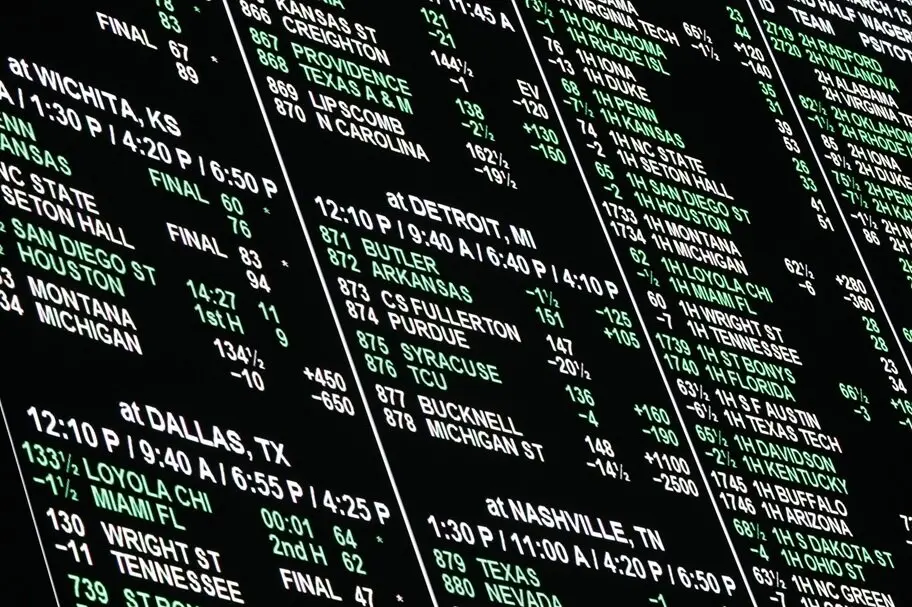
AGA representative Tres York told Texas senators that platforms like Kalshi are offering products that closely resemble sports betting. He argued that combining several outcomes from the same sporting event is essentially a sports wager, even if the platform calls it something else.
York also raised concerns about how prediction markets operate. He pointed to Kalshi’s separate trading arm, which can take the other side of some trades. York argued that this could leave regular users trading against large financial firms with access to advanced technology, artificial intelligence, and more data.
The AGA represents the regulated U.S. gaming industry, including major sportsbook operators. It argues that prediction markets should have to follow similar state rules and consumer protection standards.
Kalshi legal counsel Robert DeNault presented a different argument. He described Kalshi’s products as event contracts, where users can buy “yes” or “no” positions based on whether something will happen in the future.
DeNault stressed that Kalshi does not operate like a traditional casino or sportsbook. Instead of acting as the house, the platform matches users who want to take opposite sides of a trade and provides liquidity to the market.
He also argued that banning prediction markets may not stop people from using similar products.
DeNault encouraged Texas lawmakers to consider regulations and consumer protections rather than an outright ban.
Kalshi maintains that its event contracts are federally regulated financial products that can also be used to manage economic risk.
The Addiction Question Enters the Room
Gambling policy expert Brianne Doura-Schawohl brought another issue into the debate: problem gambling.
She told lawmakers that the name of the product may not matter much to the person using it. Whether someone calls it a sports bet or an event contract, the user is still putting something of value at risk for the chance to receive something of value in return.
Doura-Schawohl also raised concerns about gambling among young people.She cited research showing that at least one-third of teenage boys had gambled during the previous year. That concern is especially important in Texas, where sports betting remains ungoverned and lawmakers have resisted major gambling expansion.
Prediction markets, however, have continued to grow and offer sports-related contracts in the state.
What’s Next
The Texas Senate Committee on State Affairs must now consider how the state should approach prediction markets.
Texas does not have a regulated sports betting market, making the debate more complicated. Prediction market companies argue that their products fall under federal financial regulations, while critics believe sports contracts should be covered by state gambling laws.
If Texas decides to apply its existing gambling laws to platforms such as Kalshi, the move could lead to further challenges in the courts. It could also influence how other states approach prediction markets.
For now, the debate over where financial trading ends and sports betting begins remains unsettled.




You must be logged in to comment. Don't have an account? Sign up today.