
Key Takeaways
- Utah Attorney General Derek Brown sued Kalshi and two Susquehanna affiliates in Utah’s Third District Court on Oct 20, 2026.
- Utah wants Kalshi blocked statewide while the case is pending, plus the return of fees, profits, and punitive damages.
- The state estimates Kalshi collected roughly $30 million to $60 million in fees from Utah users.
- Kalshi says the state case does not affect its federal appeal, which is now before the 10th Circuit.
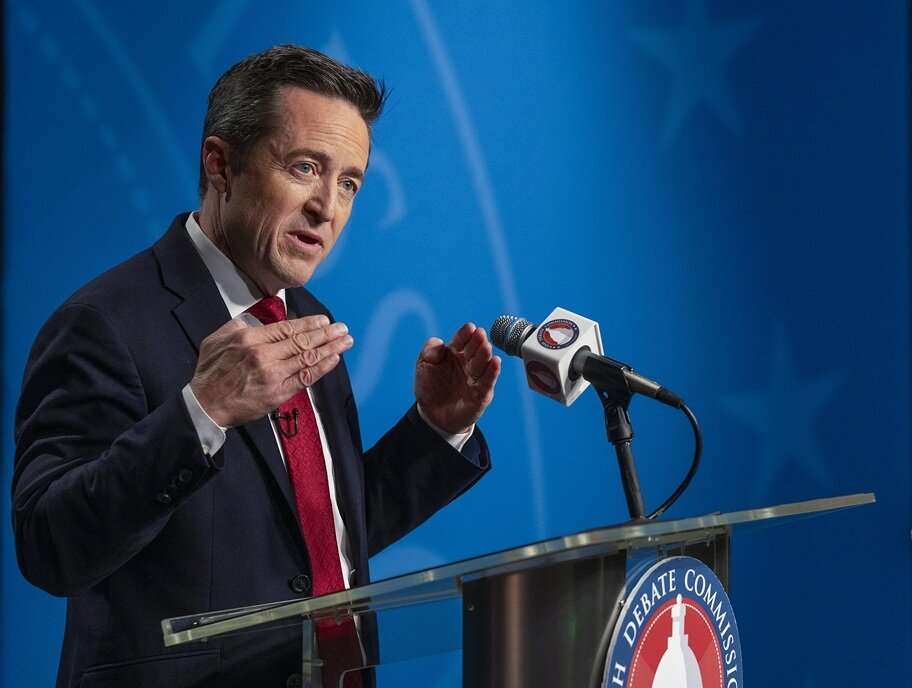
Utah Attorney General Derek Brown filed a civil lawsuit against prediction market Kalshi on Tuesday, October 20, in Salt Lake County’s Third District Court. The suit also names market maker Susquehanna.
Utah claims Kalshi’s contracts are unregulated gambling under a state constitution that bans gambling in all forms. The state wants Kalshi shut out and is seeking tens of millions in fees and profits.
What the Utah Kalshi Lawsuit Alleges
Kalshi is a prediction market, a platform where users buy contracts that pay out based on real-world outcomes like games or elections. Utah argues those contracts are simply bets. “Kalshi runs an online casino in Utah and calls it a prediction market,” Brown said.
Brown announced the case at a news conference at the Utah Capitol. The complaint describes a “brazen pattern of unlawful conduct” that has “inflicted serious harm.” Brown declared gambling a public nuisance.
The filing’s language is pointed. According to Axios, state lawyers compare Kalshi to “the manager of a back-alley gambling den.”
Brown framed the case around Utah’s long history. “Utah has said no to gambling since statehood in 1896, and that didn’t change when betting moved onto cellphones,” he said. He also claimed that Utah is one of only two states that bans gambling in its constitution.
Who Utah Named as Defendants
The suit names seven defendants: Kalshi Inc., KalshiEX LLC, Kalshi Klear Inc., Kalshi Klear LLC, Kalshi Trading LLC, Susquehanna International Group LLP, and Susquehanna Government Products LLLP.
Susquehanna is Kalshi’s dedicated market maker. A market maker posts buy and sell prices so users always have someone to trade against. Naming Susquehanna extends the state’s legal exposure to the trading firm behind Kalshi’s markets.
What Utah Is Asking the Court to Do
| Request | What It Means |
|---|---|
| Injunction | A court order stopping Kalshi from operating in Utah while the case is pending |
| Contract ban | No sports, elections, politics, culture, or mention contracts for Utah users |
| Geolocation | A court-approved third-party provider to verify users’ locations |
| Disgorgement and restitution | Giving up profits and repaying money tied to Utah users |
| Punitive damages | Extra damages meant to punish, on top of all fee and profit money |
How Much Money Is at Stake in Utah
Utah estimates Kalshi collected roughly $30 million to $60 million in fees from Utah users. The state also claims another $5.5 million in profits from wagers Utah users lost.
Brown said those figures could grow as discovery, the pre-trial exchange of evidence, moves forward.
The user numbers are just as notable. Kalshi listed 32,940 fully active accounts with Utah addresses as of February. The complaint calls those users “potential problem gamblers.”
Utah users held a little over 1% of Kalshi’s open wagers on one February date. Assuming that share held steady since Kalshi’s 2021 launch, the state calculates Utahns placed more than three billion wagers. That figure is a state projection based on one day’s data.
How Kalshi Responded
Kalshi maintains that federal law governs its markets. “As a national derivatives market … Kalshi answers to federal law, and no single state should have a veto over it,” a spokesperson told Axios. The spokesperson added that the state court action “does not affect our ongoing federal litigation.”
Utah’s Federal Court Fight With Kalshi
The state case follows a federal lawsuit Kalshi filed first. In February 2026, Kalshi sued Utah officials, including the governor and attorney general. Kalshi argued the Commodity Exchange Act preempts, or overrides, state gambling rules.
That argument failed. In August, U.S. District Judge Robert Shelby granted summary judgment to Utah, ruling federal law does not preempt the state’s gambling bans. Kalshi has appealed to the 10th Circuit.
Brown pointed to that loss directly. “Effectively, Kalshi bet today that Utah would not enforce its gambling laws,” he said. “Well, we are enforcing it. So on that point, Kalshi has now lost their bet.”
Timing matters too. The filing came barely two weeks after a Latter-Day Saints church leader called prediction markets and online sports betting sinful.
Utah Joins a Growing List of States Targeting Prediction Markets
At least nine states have taken action against prediction market platforms, and Arizona filed a criminal complaint. Ohio, Michigan, and Missouri are pressing their own fights.
Recent rulings have gone against Kalshi. In July, a Michigan judge temporarily blocked Kalshi’s sports markets and a federal judge handed New York a win over the prediction market.
Kalshi has also gone on offense elsewhere, including when it sued Montana over prediction markets in April.
Why the Utah Kalshi Lawsuit Matters for Bettors
If Utah wins its injunction, Kalshi could be forced to geofence, or block by location, the entire state, cutting off nearly 33,000 active accounts. Utah’s constitution bans gambling in all forms, so state-regulated sportsbooks are not an option, either.
The regulatory picture is changing fast, so check current rules before you trade or bet anywhere. Set limits, and seek help if betting stops being fun. Either way, this case could help decide who regulates prediction markets.


You must be logged in to comment. Don't have an account? Sign up today.