

Key Takeaways
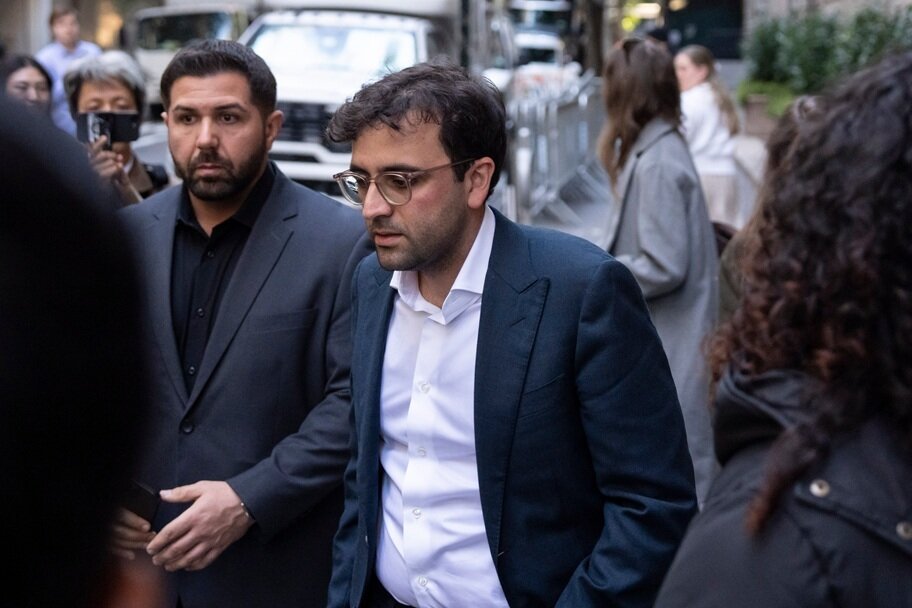
- Utah Attorney General Derek Brown asked a court Tuesday to dismiss criminal charges against Kalshi, CEO Tarek Mansour and COO Luana Lopes Lara.
- The request follows Kalshi’s decision Monday to halt trading in Utah, and the state says it could refile if Kalshi returns.
- Utah’s separate civil case seeking Kalshi’s Utah profits is still moving forward.
Utah Attorney General Derek Brown asked a Salt Lake City court on Tuesday to dismiss the criminal charges against Kalshi and two of its executives. The request came one day after the prediction market operator stopped trading in Utah.
Brown’s motion leaves the door open to refile if Kalshi comes back, and the state’s civil case over Kalshi’s Utah profits continues.
What Utah’s Motion to Dismiss Says
Brown’s filing is a single sentence. It asks the court to drop the case because of a “change in circumstance,” meaning Kalshi no longer offers trades in Utah, AP News reported.
The dismissal comes with a condition. The attorney general’s office said it could refile the charges if Kalshi resumes offering trades in the state.
Brown summed it up: “Kalshi has pulled out of Utah, and if it returns, so will the charges.”
Why Kalshi Halted Trading in Utah
Kalshi said Monday it halted Utah trading once it became clear a federal judge wouldn’t immediately block the state’s efforts to shut it down.
A Kalshi spokesperson called the move an “unfortunate outcome for the more than 177,000 Utahns who use Kalshi.” The company said it will keep fighting in court.
What Happens to Open Kalshi Positions in Utah
Kalshi did not close open positions or void contracts. An open position is a contract a trader holds that hasn’t settled yet.
Instead, Kalshi blocked new positions. Utah traders can still close existing positions and withdraw their funds.
The Charges Against Kalshi and Its Co-Founders
Utah filed the criminal case on October 28, as we covered when Utah charged Kalshi and its co-founders. It includes 13 counts of violating Utah’s gambling prohibition.
The defendants are Kalshi, Mansour and Lopes Lara. They are due in court in Salt Lake City on December 4 unless a judge dismisses the case first.
AP described Utah’s felony charges as a new tactic for states. Arizona, however, was the first state to criminally charge Kalshi, in March 2026.
The civil case is a separate track. Brown’s office is still asking a state court to make Kalshi give up its Utah profits.
That suit, filed October 20, also names Susquehanna, and the state estimated $30 million–$60 million in fees from Utahns. Our report on Utah’s civil suit against Kalshi and Susquehanna has the full background.
Kalshi vs. Utah Timeline
| Date | Event |
|---|---|
| February 2026 | Kalshi sues Utah in federal court; a federal judge later rejects its request |
| March 2026 | Arizona becomes the first state to criminally charge Kalshi |
| Oct. 20, 2026 | Utah files a civil suit against Kalshi and Susquehanna |
| Oct. 27, 2026 | The CFTC sues Utah |
| Oct. 28, 2026 | Utah files criminal charges against Kalshi, Mansour and Lopes Lara |
| Nov. 23, 2026 | Kalshi halts trading in Utah |
| Nov. 24, 2026 | Brown asks the court to dismiss the criminal charges |
| Dec. 4, 2026 | Scheduled court date in Salt Lake City, unless a judge dismisses the case |
Where Kalshi Trading Is Halted
Utah isn’t the only state where Kalshi has pulled back. According to Kalshi, trading is now halted or limited in four states:
- Utah: halted
- Nevada: halted
- Michigan: partially halted
- Washington: partially halted
For more on the Nevada situation, see our coverage of how Nevada extended its Kalshi ban.
The Federal vs. State Fight Over Prediction Markets
The core dispute is about who regulates event contracts. These are yes-or-no contracts that pay out based on whether a specific event happens, such as a team winning a game.
Kalshi and the CFTC argue these contracts are swaps under federal law, which would give the CFTC exclusive authority over them. Utah and at least 42 other states reject that view. Utah law prohibits gambling, and the attorney general’s office considers prediction markets gambling.
Litigation now spans more than 20 states, and analysts say the U.S. Supreme Court will likely settle it. Kalshi’s own federal challenge to Utah hasn’t gone its way so far.
Kalshi sued Utah in February, and a federal judge rejected its request. Kalshi’s appeal is pending at the 10th Circuit, which declined to halt Utah’s enforcement while the appeal plays out.
Why the Kalshi Exit Matters for Utah Bettors
For the more than 177,000 Utahns Kalshi says used its platform, new trades are off the table for now. If you still hold positions, you can close them and withdraw your funds.
Utah’s constitution bans gambling in all forms, and the state has no state-regulated sportsbooks. Our Utah betting guide covers the state’s gambling landscape.
The next developments to watch are the December 4 court date and the 10th Circuit appeal.



You must be logged in to comment. Don't have an account? Sign up today.