

Key Takeaways
- Kalshi and Novig sent a letter to 35 states urging officials to help build a nationwide self-exclusion system for prediction markets.
- The companies are promoting SelfExclude.io, a voluntary program run by IC360 with exclusion periods of up to one year.
- The outreach comes the same week the Fourth Circuit ruled against Kalshi in its fight with Maryland over state gambling regulations.
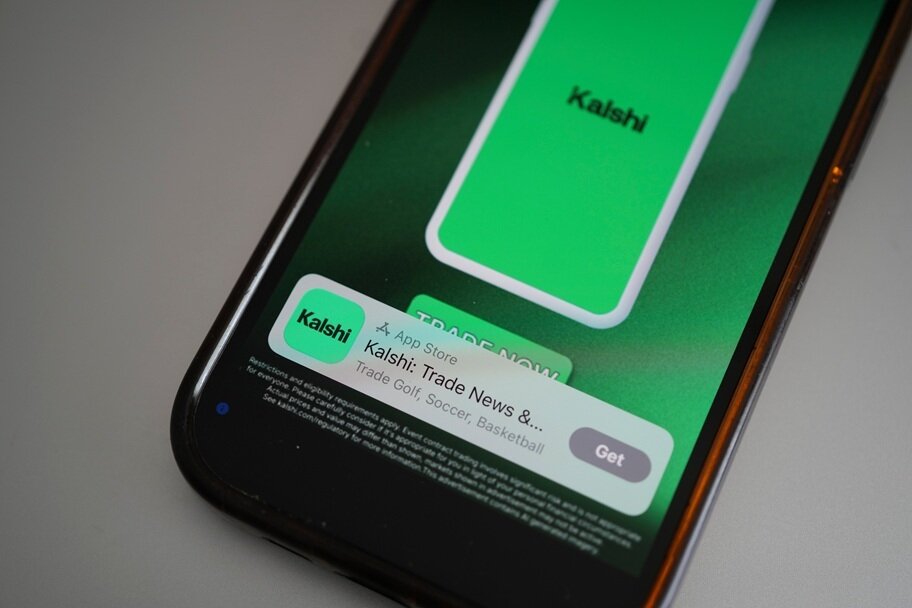
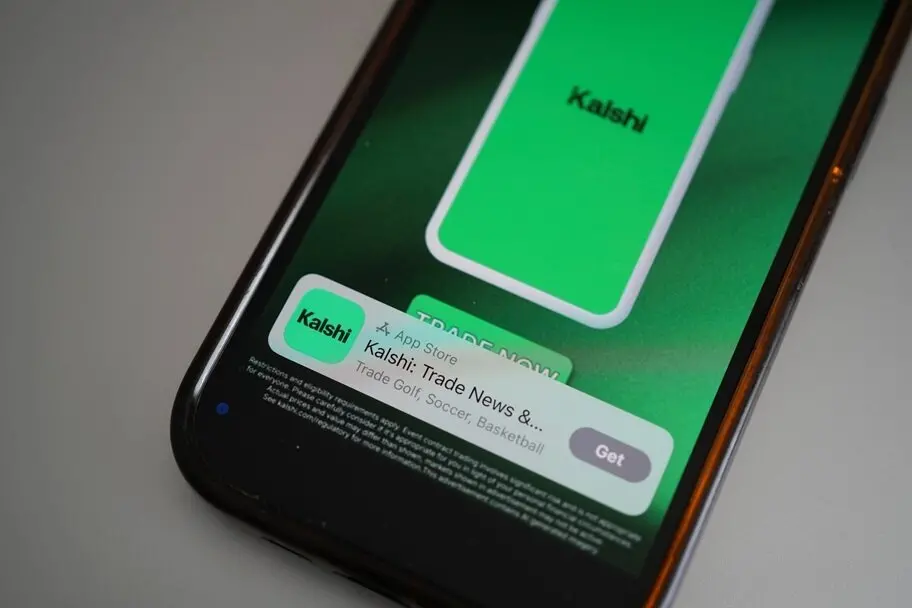
Kalshi and fellow prediction market operator Novig have asked 35 states to back SelfExclude.io, a nationwide program that lets users block themselves from prediction market platforms. The Washington Examiner obtained the letter, which argues state self-exclusion lists leave a gap.
The pitch lands as Kalshi keeps fighting state gambling regulators in court, including a fresh loss in the Fourth Circuit this week.
What Kalshi and Novig Are Asking States to Do
Self-exclusion is a tool that lets a person voluntarily ban themselves from gambling platforms for a set period. Most states run their own lists. According to the Washington Examiner, those lists generally apply only to gambling operators that are regulated in that state.
That is the gap the letter targets. A person who signs up for a state list can still open an account on a prediction market. The letter puts it plainly: “Today, that decision only protects them from licensed operators in your state.”
Kalshi and Novig want state officials to help set up a single nationwide system for prediction markets. Their proposed vehicle is SelfExclude.io.
How the SelfExclude.io Program Works
SelfExclude.io is operated by IC360. The program’s site describes it as a “voluntary program designed to help you hit ‘pause’ on prediction markets.”
Based on the SelfExclude.io site, enrollment follows these steps:
- Choose an exclusion period of one month, three months, six months, or one year.
- Submit your legal name, address, date of birth, phone number, and a government ID.
- Complete identity verification through Veriff, a third-party verification service.
- Expect participating platforms to activate the block within 24 hours of verification.
- Know that the exclusion ends automatically once the chosen period expires.
The site says personal data is hashed, a method that scrambles information so it isn’t stored in readable form. The program is open to US users only.
Kalshi has already added other user safeguards this year. In May, it tightened its age checks as regulators raised concerns about the platform.
Which Prediction Markets Are on Board
Only two platforms are fully integrated so far. Several others are listed as in progress or coming soon on the SelfExclude.io site:
- Fully integrated: Kalshi and Novig
- In progress or coming soon: Polymarket, Robinhood, ProphetX, Matchbook, and Juice Exchange
Fanatics also appears among the site’s coming-soon logos. The Washington Examiner named Polymarket and Robinhood among the forthcoming platforms. Integration status can change quickly, so check the SelfExclude.io site for the current list.
Kalshi’s Federal Argument Against State Gambling Rules
The self-exclusion push sits alongside a much bigger legal battle. Kalshi sells event contracts, which are yes-or-no trades on whether a specific outcome happens, such as a team winning a game.
Kalshi maintains these contracts are federally regulated financial products overseen by the Commodity Futures Trading Commission (CFTC). It argues the Commodity Exchange Act preempts, or overrides, state gambling rules.
States see it differently, and have acted. A Michigan judge temporarily blocked Kalshi, and Nevada extended its Kalshi ban.
Fourth Circuit Rules Against Kalshi in Maryland
This week, the Fourth Circuit Court of Appeals ruled against Kalshi in its Maryland case. Kalshi had sought to block the state from enforcing gambling rules against its sports contracts. It is a decision that deepens a split among federal courts.
Kalshi’s head of litigation, Jovy Dedaj, pointed to that disagreement. “The judges who think we’re wrong can’t even agree with each other on why,” he said.
The dispute is likely headed to the US Supreme Court.
Why the Self-Exclusion Push Matters for Bettors
For now, joining your state’s self-exclusion list may not block you from prediction markets. SelfExclude.io offers a separate option, though it only covers platforms that have fully integrated.
The letter also shows prediction markets adopting the kind of player protections states expect from regulated operators. Whether states sign on remains an open question while the courts sort out who gets to regulate these platforms. Our Louisiana betting guide includes a section on prediction markets.



You must be logged in to comment. Don't have an account? Sign up today.