March Madness Sleeper Picks 2026 — Teams, Seeds, and Best Upset Bets

March Madness Sleeper Teams — What Counts as a “Sleeper” Pick?
March Madness sleeper picks are underdog or long-shot teams, often seeded beyond the top four seeds. Since the tournament expanded to 64 teams in 1985, the winning team has been seeded fourth or higher 37 times. Any team ranked outside this group can be considered a “sleeper.”
Sleeper teams are those that fall outside the top favorites in the March Madness odds. If eight teams all have comparable odds, then wherever the biggest drop-off in odds occurs, teams priced below that range could also be sleepers.
When betting on sleepers in the NCAA tournament, consider two different types of sleepers and how you can bet on them. Some big underdogs seeded 10–13 may present sleeper value to win a single game if they enter the tournament with strong momentum.
Other mid-tier sleepers seeded 5-9 may not have the biggest odds on the board. However, they could offer strong value to make a deeper run and cause multiple upsets.
Now that you have a baseline for what counts as a sleeper pick in March Madness, let’s dive deeper into key terms and betting strategies.
Sleeper Picks vs Cinderella Stories — What Defines an Upset?
Under-the-radar March Madness teams are often lumped into a single category, referred to as sleepers, Cinderella teams, and upset picks. However, each one can also be defined individually and offer specific betting opportunities.
Sleeper Picks
March Madness sleeper picks are often middle-of-the-pack teams seeded in the 5–12 range. These teams are outside the top favorites but not considered true long shots. They often offer value to pull off multiple upsets and make a deep run.
Cinderella Picks
Cinderella picks are your true long-shot teams, often priced at the longest odds and seeded in the 13–16 range. Any team ranked this low that pulls off one or two of the most unlikely of upsets is called a “Cinderella story.”
Upset Picks
An upset pick in March Madness is a pick on any game where you’ve simply wagered on an underdog team in the rankings and odds.
How To Analyze March Madness Sleeper Teams
We recommend analyzing key stats and trends to help you choose the best March Madness sleeper bets. Here’s our framework for evaluating potential underdog picks for March Madness.
1. Adjusted Offensive and Defensive Efficiency (adjO/adjD)
Adjusted offensive and defensive efficiency numbers (adjO/adjD) are advanced analytics tracked by KenPom. These figures track the number of points a team scores or gives up per 100 possessions, adjusted for the average strength of their past opponents. These metrics provide a more balanced picture than raw point totals.

Pro Tip: Teams ranked in the top 50 of adjO/adjD provide strong indicators for tournament success.
2. Turnover Margin
Turnover margins are important statistics to consider when making upset picks in the NCAA. Teams that protect the ball well or cause defensive turnovers are more likely to keep games close, even when matched against higher-ranked teams.
3. Free Throw Rate and Free Throw %
Close games are often decided by clutch free-throw-making teams. Teams that make it to the line often should produce more easy buckets. Generally, the top teams in the nation are usually close to 80% in free-throw percentage. In 2026, the top 50 teams in the NCAA rankings are over 76%.
4. Three-Point Rate
Some teams can cause upsets in the tournament by creating chaos and variance with strong three-point shooting. Teams that rely on the long ball can cause upsets by putting up quick points when the shooting is on. But when the 3s aren’t falling, they can be inconsistent bets. Three-pointer percentages of 35% and higher generally put you among the best in the sport.
5. Experience
Even the biggest double-digit seed sleepers can claim an upset if their roster is full of upperclassmen who have been there before. Look for potential sleeper teams that have a roster with experienced players who know what it takes to advance in tournament play.
6. Injury Status
Like all sports, injuries to key players can wreak havoc on your bets or create strong betting opportunities. Look for teams to bet against who are missing a key player(s). Alternatively, teams to bet on who may be welcoming back a star player after a long injury layoff and are flying under the radar.
7. Tempo Control
Teams that play at a slower pace or tempo lower the number of possessions both they and their opponents have in a game and can neutralize talent gaps. The fewer possessions a team has, the fewer opportunities it has to run up the score and, therefore, a closer game, which presents opportunities for March Madness upset picks.
8. Bracket-Path Difficulty
When looking for mid-major teams to watch in March Madness for upset picks, plot out each team’s potential path into the Sweet 16, Elite Eight, and further. Some teams could present upset and sleeper potential if their path in the bracket is weaker than other regions.
Why Sleeper Picks Can Be the Best March Madness Bets
Sleeper picks can be the best March Madness bets because the market often prices teams based on public opinion over pure data and bracket context. Casual bettors love to bet on brand-name programs and top seeds like Duke, UConn, and Houston, which can inflate the odds and create hidden opportunities on lower seeds.
In NCAA futures markets, the appeal is obvious. A sleeper listed at +2000 (200-1) to win the title pays $200 on a $10 bet. However, that payout only makes sense if the team’s true chances are better than the implied probability behind +2000 odds (4.76%).
In single-game markets, sleeper odds can also be mispriced against the spread or on the moneyline when public money pushes the favorite too high.
That’s where “value betting” comes in. A bet has value when the true probability of an outcome is higher than what the odds imply. Simply liking a team isn’t enough of a reason to make a bet. The price has to justify the risk.
Of course, sleepers lose more often than they win. That volatility is real, which is why smart bet sizing and choosing the right markets (stage of elimination versus outright wins) are essential when targeting the best March Madness sleeper bets.
Pro Tip: Finding the true probability can be subjective. We recommend comparing stats on sites like KenPom or building your own predictive model. Create estimates to find the probabilities for the team you want to bet on, then compare that to the implied probability of the current odds.
When To Bet on Sleepers and Underdogs
Timing for making sleeper picks in March Madness is crucial for getting the best odds and taking a position on a team before the general public. We encourage you to keep the following factors in mind when betting on March Madness.

Bet Early
Betting early can be the best approach to take when betting on under-the-radar March Madness teams. Prices quickly adjust once the bracket is set, so we recommend following teams closely beforehand and making sleeper picks well before Selection Sunday. Consider following conference tournaments before March Madness to get a sense of how teams will play in a tournament set-up and who is in good form.

Wait for Injury News
Follow popular news outlets, reporters, and influencers who cover NCAA news to get ahead of the market with injury news. If a star player is questionable to play before tip-off, that may create longer odds and a better return for sleeper picks. But act fast before the market catches on and shortens the underdog’s price.

Bet After the First Round
Some March Madness sleeper picks emerge out of nowhere with an upset no one was expecting. If there were multiple upsets in the first round in a specific region, new betting opportunities may emerge. Suddenly, a team that didn’t seem to offer much upset potential may see their path improve and now be worth a wager. Also look for stage-of-elimination props like “To Advance to Sweet 16, Elite Eight, Final Four,” and others, which create different betting markets.
The Public Money Effect
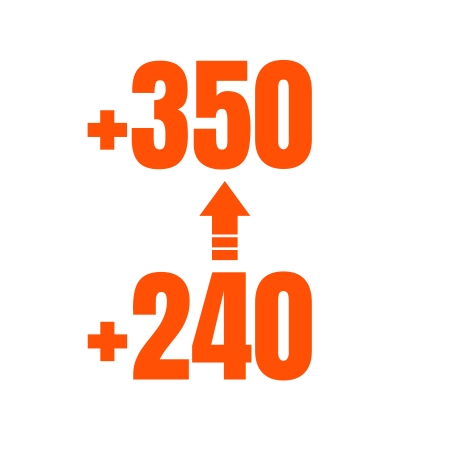
The bigger the name, the bigger the price. Those odds often shorten the better a well-known team plays and the closer to tip-off it gets, as the general public piles in on the teams they know. Sometimes, the best March Madness sleeper picks can be made once the public has bet on the favorite and created better odds on the underdog. Remember to practice line shopping from sportsbook to sportsbook, as prices vary, and some sites cater to more public bettors.
The Best Markets for NCAAB Sleeper Picks
When choosing the best underdog picks for March Madness, different teams and scenarios call for different NCAA betting markets. Just because a team qualifies as a good sleeper pick doesn’t mean it’s a good bet to win in the outright futures markets.
Let’s compare the top March Madness betting markets below. Remember to shop for odds across multiple sportsbooks, such as Lucky Rebel, Voltage Bet, and Bovada, to get the best price.
1. Moneyline (ML)
Use this market when the sleeper team has a realistic chance to win a specific game outright, and the price offers value. This wager is often best for first-round upset bets at long odds.
2. Against the Spread (ATS)
Use this market when the sleeper is unlikely to win outright but can keep the game close. This wager is useful for double-digit seeds against favorites who may not cover large spreads.
3. Advancement Props
Use this market when the sleeper has a favorable bracket path and the round prop is priced more efficiently than the futures market (i.e., bets on ‘To Advance to the Elite Eight).
4. Region Winner Futures
Use this market for 4–7 seeds playing in weak regions who have a realistic path to the Elite Eight or Final Four but look less likely to win the entire tournament.
5. NCAA Title Futures
Use this market for teams with genuine championship profiles priced at significant value. This wager is not appropriate for March Madness sleeper teams unless you’re simply looking to chase a lottery-style win.
Moneyline vs Spread for Underdog March Madness Picks
When betting on first-round underdog picks in March Madness, picking between moneyline and spread wagers comes down to one question. Is this underdog live to win the game outright, or just live to cover?
Take the moneyline bet when the underdog has a realistic path to winning outright, and the payout justifies the risk. For example, a 10-seed at +200 facing a 7-seed with a weak defensive profile and turnover issues may have true upset potential.
Take the spread when the underdog is unlikely to win but well-positioned to keep it close. A 13-seed getting +14.5 against a slow-tempo 4-seed is a classic ATS spot, as fewer possessions mean fewer chances for the favorite to pull away.
Use variance as your tiebreaker. For example, a strong three-point shooting underdog creates volatility and could be a good moneyline bet. Meanwhile, a poor free-throw-shooting favorite or slow-tempo underdog creates instability and tiger margins, opening the door for ATS bets.
Pro Tip: If your sleeper pick in March Madness falls behind early but still matches up well in your model, live moneyline or live spread markets can offer better value than pre-game numbers.
Futures Strategy for March Madness Sleepers
We recommend crafting your sleeper picks for March Madness futures with a portfolio approach. That means spacing out your bets and not going too hard on any one team. Also, remember not to overemphasize popular narratives like first-time teams or a coach’s final season. These storylines are well-known and often already baked into the odds.
We suggest carefully selecting a few March Madness sleepers, for example, 3–5 teams, across different odds and markets. This way, you can create hedging opportunities later in the tournament if a long shot goes deep. Even if multiple futures lose, if you win 1–2 bets, you may still cover your losses or even come out on top.
1. To Win It All (Title Futures)
We recommend caution when choosing March Madness sleepers. The biggest long shots are typically overpriced relative to their true probability of winning. Instead, reserve these bets for teams with legitimate championship credentials and a strong path to the final. Remember to keep your stakes low when betting on these sleepers.
2. Regional Winner/Final Four
Making bets on regional sleepers in March Madness is a good strategy to simplify your bets by focusing on a specific region. Perhaps there is a good bet among mid-major sleepers in the East Region that you like, but you don’t believe that team can ultimately win the championship.
3. To Reach the Final
A bet on a team reaching the final will cash if your team gets to the big game on April 6 at Lucas Oil Stadium in Indianapolis, whether they win or lose. Betting on these progression props allows for hedging opportunities throughout the tournament if your opinion on your March Madness sleeper teams changes.
Historical Sleepers and Upset Rates by Seed
Swinging for the fences on double-digit seed sleepers in March Madness can be fun. However, it’s important to remember that these types of upsets are not common, at least not when it comes to winning the title. The 1985 Villanova Wildcats are the only team seeded lower than seventh (eighth) to ever win the NCAA title. Meanwhile, only four 8-seeds have ever made the title game.
That doesn’t mean you should never bet on upsets. It just means you should be realistic, keep your stakes low, and be selective. Even reaching some of the later rounds has proved difficult for the biggest long shots. No team seeded below 11 has ever reached the Final Four, and just one 15 seed has ever made the Elite Eight.
Let’s look at the history of double-digit sleepers below from seeds 10–16 since 1985, when the field expanded to 64 teams.
- 10-seeds vs 7-seeds: 62–97 (39%)
- 11-seeds vs 6-seeds: 62–98 (38.8%)
- 12-seeds vs 5-seeds: 57–103 (35.6%)
- 13-seeds vs 4-seeds: 33–127 (20.6%)
- 14-seeds vs 3-seeds: 23–137 (14.4%)
- 15-seeds vs 2-seeds: 11–149 (6.9%)
- 16-seeds vs 1-seeds: 2–154 (1%)
As you can see, first-round sleeper picks in March Madness typically offer the highest chances of coming through in the 10-13 seed range. If you’re going to bet on any team lower, remember to ensure the team has a strong statistical profile and that the price offers true value.
With just two 16-seeds (2018 UMBC and 2023 FDU) shocking the world in the first round, this type of long-shot sleeper is incredibly rare.
We recommended targeting seeds in the 5-9 range to make deep runs. Historically, 23 teams seeded 5–9 have made it to the Final Four.
Also worth noting is that six 11-seeds have also accomplished this feat.
National Championship Winners by Seed
The chart below breaks down March Madness winners by seed. See for yourself how often top-seeded teams win and how rare it is for March Madness dark horse teams to cut down the net on championship day.
| Seed | Title Wins |
|---|---|
| 1 | 26 |
| 2 | 5 |
| 3 | 4 |
| 4 | 2 |
| 5 | 0 |
| 6 | 1 |
| 7 | 1 |
| 8 | 1 |
| 9 | 0 |
| 10 | 0 |
| 11 | 0 |
| 12 | 0 |
| 13 | 0 |
| 14 | 0 |
| 15 | 0 |
| 16 | 0 |
Recent March Madness Sleeper Team Success Stories
As recently as 2024, NC State reached the Final Four as an 11-seed, becoming the sixth such seed to do so. Let’s look at five recent examples of under-the-radar March Madness teams that made deep runs and what stood out about their performances.
| Team | Year | Seed | Finish |
|---|---|---|---|
| NC State | 2024 | 11 | Final Four |
| San Diego State | 2023 | 5 | Title Game |
| Princeton | 2023 | 15 | Sweet 16 |
| Florida Atlantic | 2023 | 9 | Final Four |
| Saint Peter’s | 2022 | 15 | Elite Eight |
| Loyola-Chicago | 2018 | 11 | Final Four |
March Madness Sleeper Betting Picks From Our Experts
Ready to make your own sleeper picks for March Madness 2026? Now that you know the types of bets you can make and the history of NCAA sleepers, let our experts help to guide you through round-by-round betting. We cover all 67 games with expert analysis covering moneyline, ATS, and totals picks.
Remember that the best March Madness sleeper bets can also be good picks on a game-by-game basis. This way, you’ll still win some money even if the pick doesn’t go all the way. It’s also an opportunity to hedge against your team in later rounds if your confidence in them fades.
Follow along throughout the tournament with The Sports Geek’s expert and AI picks for each game.


Responsible Betting
Always wager responsibly. Betting is for entertainment, not income. Set loss and time limits, and budget your bankroll to stay within what you can afford. Following these tips will help keep gambling fun and controlled.
If gambling dominates your thoughts or you exceed your budget often, consider the resources below for help. Recognize the signs in yourself or a loved one.
- National Council on Problem Gambling: (202) 547-9204 or NCPGambling.org
- AGA Responsible Gambling Code of Conduct
- Gambler’s Anonymous: gamblersanonymous.org/ga/
- Responsible Gambling Council: responsiblegambling.org
Sleeper Picks March Madness — Final Checklist Before You Bet
Betting on sleeper picks in March Madness is a fun way to enjoy the NCAA tournament. Popular wagers include title winners, advancement props to reach the Final Four, or single-game moneylines and ATS.
When choosing your double-digit seed sleepers, remember that teams seeded 10–13 often present the most first-round value. Meanwhile, no team seeded below 8 has ever won the tournament. We recommend evaluating injuries, offensive and defensive efficiencies, pace of play, and a team’s path to the final when making your picks.
You’re now ready to find the best March Madness sleeper bets yourself. We recommend comparing futures odds across top sportsbooks like Lucky Rebel, Voltage Bet, and Bovada to get the best odds. Find the best value and start betting today.
March Madness Sleeper Picks FAQs
A sleeper team in March Madness is a lower-seeded or overlooked program with the statistical profile, matchup advantages, or recent form to outperform expectations. Sleepers are typically undervalued by the betting market and public perception, creating potential value in futures, moneyline, or spread bets.
Historically, 9 through 12 seeds offer the best balance of upset potential and realistic paths to advancement. Double-digit seeds often face vulnerable mid-tier opponents in the first round. 11- and 12-seeds in particular have produced consistent first-round upsets. For deeper runs, strong 10–12 seeds with top-50 efficiency metrics are prime targets.
True long-shot champions are rare, but non-1 seeds have won the tournament 14 times. Most champions are top seeds, with only three non-4-seeds winning. However, lower-seeded teams have made Final Four and championship runs by capitalizing on favorable matchups and variance. The key is identifying teams whose underlying metrics suggest they’re stronger than their seed.
The 9–12 seed range produces the most first-round March Madness sleeper opportunities. Meanwhile, the 5–7 seed range offers the best value for deeper-run futures. Teams seeded 9–12 are typically close enough in talent to win single games. 5–7 seeds often have the profile to reach later rounds but are priced below 1–4 seeds. By contrast, 14–16 seeds are extreme outliers and not reliable bets.
Mid-major sleepers tend to be more reliable against the spread than on the moneyline in first-round games. They’re built to keep games close rather than consistently win outright. Their slower, controlled style reduces blowout risk but limits scoring variance. Mid-majors are stronger moneyline plays against pace-dependent teams than elite defensive opponents.
Stage-of-elimination or advancement props (Sweet 16 or Elite Eight) and game-by-game moneylines are the best alternatives to title futures. Advancement markets are priced more granularly and reward favorable bracket paths. Meanwhile, individual moneylines allow matchup-specific evaluation and a moneyline rollover strategy. Regional winner futures provide a middle-ground option, particularly for undervalued 5–7 seeds with good draws.
Injuries to key players, especially primary scorers or defensive anchors, can shift futures significantly. The market often overweighs highly publicized injuries while undervaluing late-season form surges, particularly conference tournament momentum. Monitor injury reports and line movement between Selection Sunday and tip-off for value before futures fully adjust.
Three to five sleeper picks for March Madness are a reasonable portfolio for most bettors. Diversifying across regions and bet types reduces exposure to one unfavorable draw. Avoid backing multiple sleepers from the same region, and keep stake sizes consistent rather than overcommitting to a single narrative.
It is rare but possible for double-digit seed sleepers to reach the Final Four, as shown by Loyola-Chicago (11-seed, 2018) and NC State (11-seed, 2024). The right profile includes elite defense, veteran leadership, a favorable path, and a late-game shot creator. Even so, only six 11-seeds have made the Final Four since 1985, meaning futures prices must justify the risk. Even a +5000 double-digit seed may not be worth the risk if their true chances are less than 1%.